
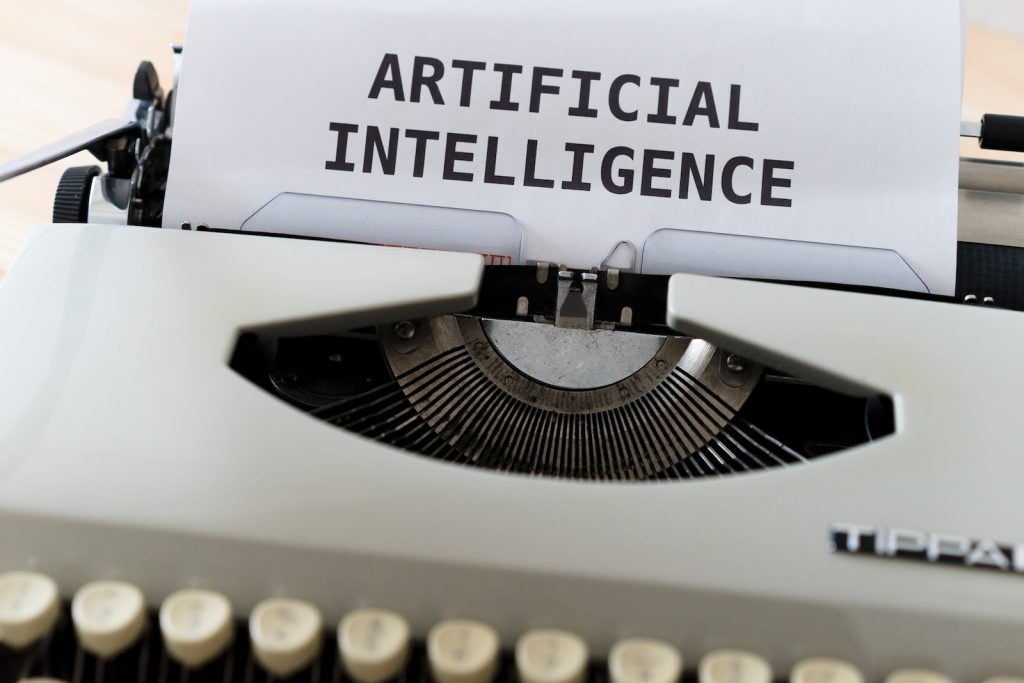
Artificial intelligence (AI) has definitely found its place in our daily lives. From Siri to Alexa, digital voice assistants use AI to help us with simple tasks, such as reminding us of appointments, adding items to our grocery lists, or even creating calendar entries. By simply saying, “Hey Siri,” our requests are automatically taken care of without any stress! For businesses, AI helps manage routine work or handle customer service requests using chatbots.
In HR, in particular, AI has found its place in the recruitment function. Many of us understand the importance of talent in achieving business success. But finding the right talent through human effort is often complicated and time-consuming. That’s why HR tech companies have designed applicant tracking systems (ATS) powered by AI to minimize these challenges.
So, how can AI help you succeed in hiring? Here are a few ways:
- AI saves time: Recruiters have often expressed their frustrations in finding the right candidates among a high volume of applicants. Due to the time constraints associated with a recruiter’s job, they may overlook a significant portion of their talent pool when identifying qualified candidates for their talent pipeline. With an AI-powered ATS, you can streamline the sourcing and screening phases by automating long and repetitive tasks like resume screening, sending emails, or scheduling interviews. AI also helps increase the chances of success as it frees up recruiters’ time to build relationships with top candidates or focus on filling harder-to-fill positions.
- AI ranks suitable candidates: It is typical to receive hundreds to thousands of applications after posting a job opening. For the hiring manager, finding the best candidates could be compared to finding a needle in a haystack, but it’s much easier with AI software! By matching resumes to job postings, AI has the exceptional ability to filter through all applications and rank the best candidates for the hiring manager, making the screening process much more manageable.
- AI reduces human bias: Implicit biases, which arise during the sourcing and screening of candidates, tend to exclude many qualified candidates from the talent pipeline. Some recruiters or hiring managers prefer to select candidates based on gut feelings, while others focus mainly on “promising candidates” from top schools, or they prioritize employee referrals. These practices can produce a non-diverse candidate pool—people of the same gender and race or similar educational backgrounds. However, AI helps reduce these human biases by matching candidates to the job description. Even though some experts would argue that AI algorithms can be as biased as the person who programmed them, these biases can be corrected—and that is something we cannot quickly achieve with humans.
In conclusion, AI improves your chances of success in hiring through greater efficiency. However, this does not mean that we should lose the human touch in recruitment, as we will still need to apply both human and artificial intelligence when making hiring decisions.


