A recent study by Sony Professional Solutions (SPS) found that as hybrid workplaces become the new normal, where employees come to the office occasionally and complete the rest of their tasks working from home, employers need to better plan their workplaces. The evidence from the study suggests that remote workplaces have a long way to go to be optimized for health, productivity, efficiency, and the ability to monitor employee work to improve collaboration. Furthermore, as Covid-19 restrictions limit social interactions among workers, production and innovation will heavily rely on collaborative technologies.
Collaborative technologies designed to support the new hybrid workplaces!
Better meetings with improved clarity
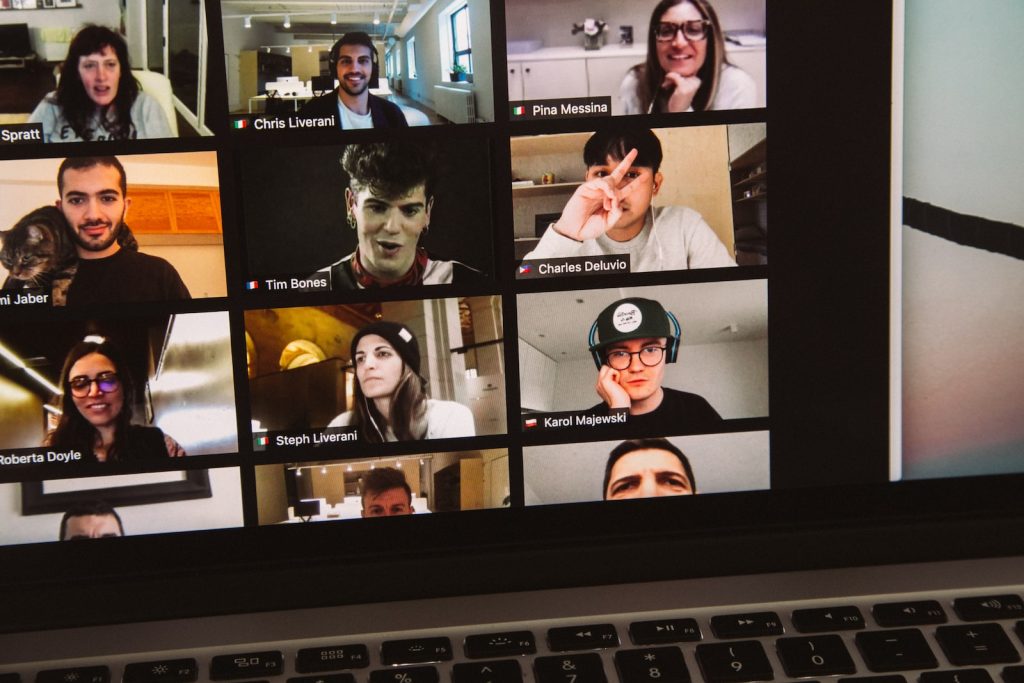
Today’s collaboration tools focus on facilitating people-centric features such as voice enhancement and noise cancellation, which automatically detects and removes common background noises so that meeting participants can focus more on the meetings. With today’s collaborative technology, localized and real-time transcription of an active speaker is possible in different languages, allowing for smarter and more productive meetings.
Better sense of community
Soon, Collaboration Suites will be able to offer immersive sharing to allow users to share videos, presentations, or applications as a dynamic background with an overlaid video. Advanced features such as gesture recognition in meetings using AI will also soon become a reality, enabling the translation of very localized signals into something recognizable by all meeting participants, regardless of their cultural background. This will allow workers around the world to feel a sense of community.
Artificial intelligence to bring more innovation to collaboration platforms
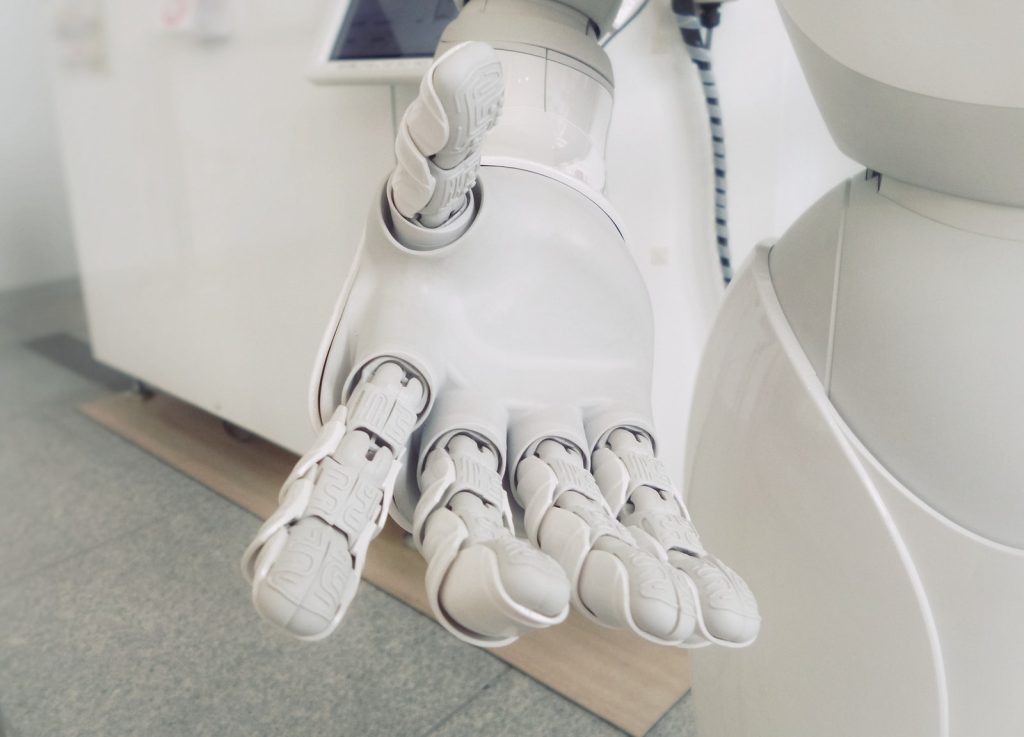
Artificial intelligence, touted as the future of work, is expected to bring further innovation to unified communications (UC) and collaboration platforms to support remote work. The development of AI would take meeting transcriptions to the next level by intelligently detecting which parts of a meeting are most important for a specific employee and sending meeting minutes based on that information.
In addition, data mining, which is an AI capability, can help businesses understand how employees interact with each other and how they can manage their businesses more effectively.
VR Boardrooms for Better Collaboration
Companies like RealSense offer virtual reality products that allow live streamers to change their background to content, enhancing presentations for everyone. Several other companies are working to create personal avatars using body language, allowing users to interact in a way that brings them to life in virtual reality.
Smart chatbots and virtual assistants
Many companies are exploring the uses of chatbots and smart virtual personal assistants (VPAs) in offices for better collaboration. With their ability to perform tasks such as scheduling meetings, task reminders, and note-taking, they will be perfect for boosting productivity and enhancing collaboration. Smart virtual personal assistants will be able to scan emails for important information and present a daily meeting schedule, thereby improving employee efficiency and productivity.
As the pandemic spread globally, collaborative technology proved to be the key factor, and its usage soared. Today, several new and innovative technologies for collaborative work are emerging, which will not only change workplaces forever but also provide a competitive advantage for those who use them. Therefore, companies must explore these technologies and make the most of the opportunities they present for businesses and their workers.