
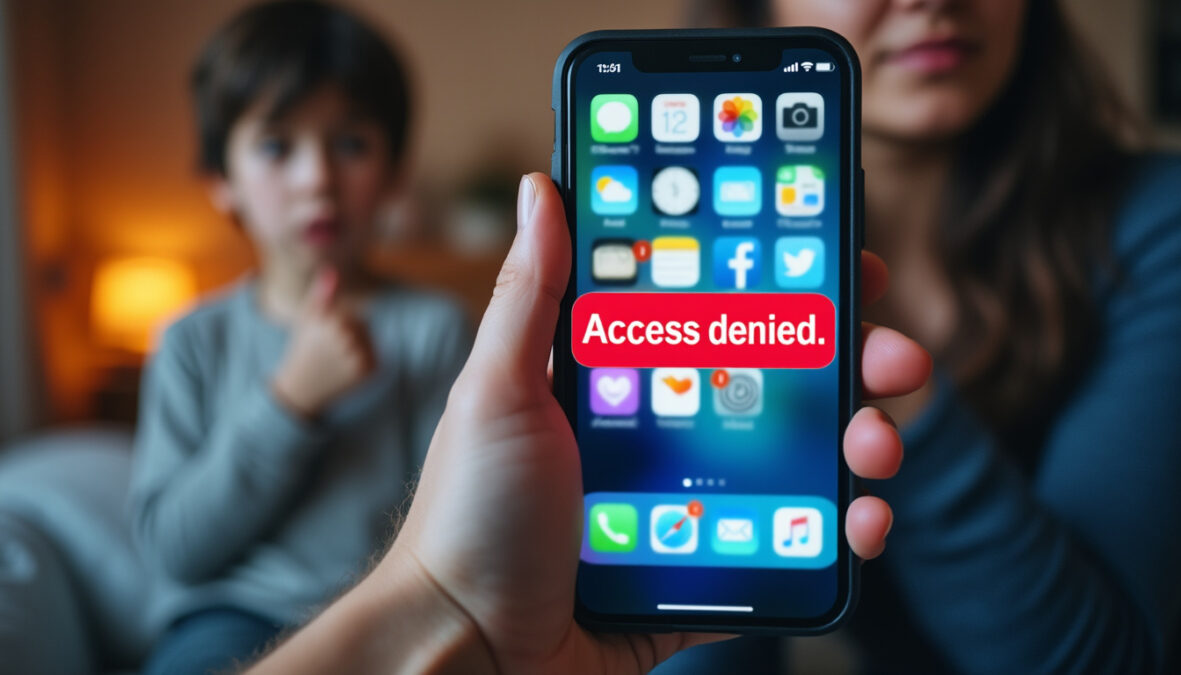
The issue of minors’ access to social media has become a hot topic in modern societies. In light of the dangers that arise from it, many countries are considering implementing a ban on access to social platforms for youth. This measure, perceived as urgent, aims to protect their welfare and ensure responsible use of digital technologies. Studies and statistics highlight the harmful effects of social media, thereby reinforcing the call for strict regulation.
The dangers of social media for young people
Social media, while offering undeniable advantages in communication and sharing, exposes minors to various risks. Cyberbullying, misinformation, and digital addiction are part of these risks. Indeed, many adolescents fall victim to inappropriate behaviors, often anonymous, which can have disastrous consequences on their mental health.
A recent study revealed that more than 40% of young people experience stress related to their activity on these platforms. Social pressure, incessant comparisons, and the quest for validation can thus create a toxic environment for the development of minors. In Australia, for example, measures have already been put in place to restrict access to social media for teenagers, as explained in this article from TF1’s 8 PM news (link).
Government initiatives in response to this issue
Many governments are beginning to take initiatives to regulate minors’ access to social media. In France, various debates are ongoing regarding the possibility of a digital curfew and a suspension of social media for youth during crisis periods. These discussions, addressed in a recent article, highlight the stakes of stricter regulation in response to the behaviors of these platforms (link).
These proposed legislations aim to frame digital practices and make social media safer for young people. Bills notably discuss a minimum age required for registration on certain platforms or the application of age verifications, as discussed in an article detailing the perspectives on prohibiting access for those under 15 years old (link).
Reflections on the effectiveness of these measures
But is a general ban the ideal solution? Many experts are questioning the effectiveness of restrictions on minors’ access to social media. A study conducted with a European population highlights that youth questions the impact of such measures on their daily lives and their freedom of expression (link).
It is therefore important to conduct in-depth reflections on educating the use of social media, to raise young people’s awareness of the dangers they may encounter. The key may lie in a balance between protection and autonomy, allowing youth to thrive in a safe environment while maintaining some freedom of access to technology.
The effects of social media on young people’s well-being
Social media has a considerable impact on the welfare of young people’s mental health. Studies show that adolescents who spend numerous hours online more frequently exhibit signs of stress, anxiety, and depression. An article focuses on these harmful effects on a global scale, emphasizing the need for collective awareness regarding the dangers posed by these platforms (link).
Thus, it is crucial to establish strategies aimed at educating young people and protecting them from harmful influences. Regulating access to social media emerges as one of the plausible solutions to mitigate the risks associated with their excessive use.


