
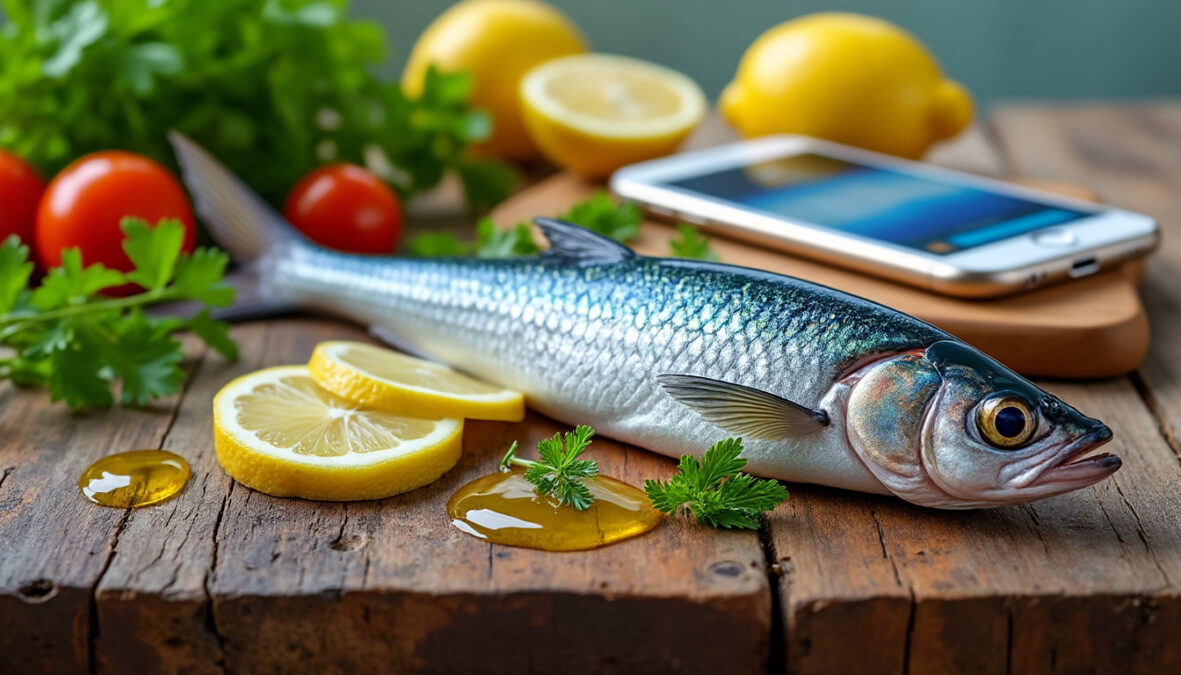
On social media, the sardine has established itself as a true icon of nutrition, despite an image that may seem slightly retro. Financially accessible, it is attracting more and more followers, particularly among young people, thanks to its numerous health benefits. Explore the unsuspected virtues of this small fish with multiple assets.
A surprising enthusiasm among the young
The sardine has managed to capture the attention of Generation Z, who regularly share recipes and usage tips on social media. Although some of its benefits still need to be demonstrated, this fish is a very affordable nutritious option that appeals to an increasingly wide audience.
The health benefits of sardines
A rich source of omega 3
What makes the sardine so special is its richness in omega 3 fatty acids. These fatty acids, which our body cannot synthesize, play a crucial role in the prevention and management of inflammation-related diseases, notably type 2 diabetes and cardiovascular issues such as hypertension. Compared to other fatty fish like mackerel and salmon, the sardine remains a tasty and nutritious option that deserves to be highlighted.
A nutritional array
In addition to fatty acids, the sardine is a true concentrate of essential nutrients. For 100g of sardine, you can find approximately:
- Calcium: the equivalent of 400ml of milk
- Potassium: 397mg
- Magnesium: 39mg
- Vitamins: A, B12, E and D
These nutrients are essential for maintaining a healthy body, confirming the role of the sardine in a balanced diet.
Fresh or canned sardine?
If you are wondering about the choice between a fresh sardine and a canned one, it mainly depends on the season. During spring and summer, fresh sardine is ideal for friendly grilling or cooked on a plancha. When selecting your sardines, be sure to choose those that are shiny, firm and free of blood stains, as freshness is a crucial criterion.
Less risk of mercury
A frequently raised subject concerns the presence of mercury in fish. The good news is that the risk of mercury accumulation in sardines appears to be low compared to larger species, such as tuna, which often contain higher levels of methylmercury.
Recommended frequency of consumption
The health authorities in France, through the National Nutrition and Health Program (PNNS), recommend consuming fish twice a week, including a serving of fatty fish such as sardine. For the other meal, opt for a lean fish like cod or whiting, to vary the pleasures and maximize nutritional intake.


