
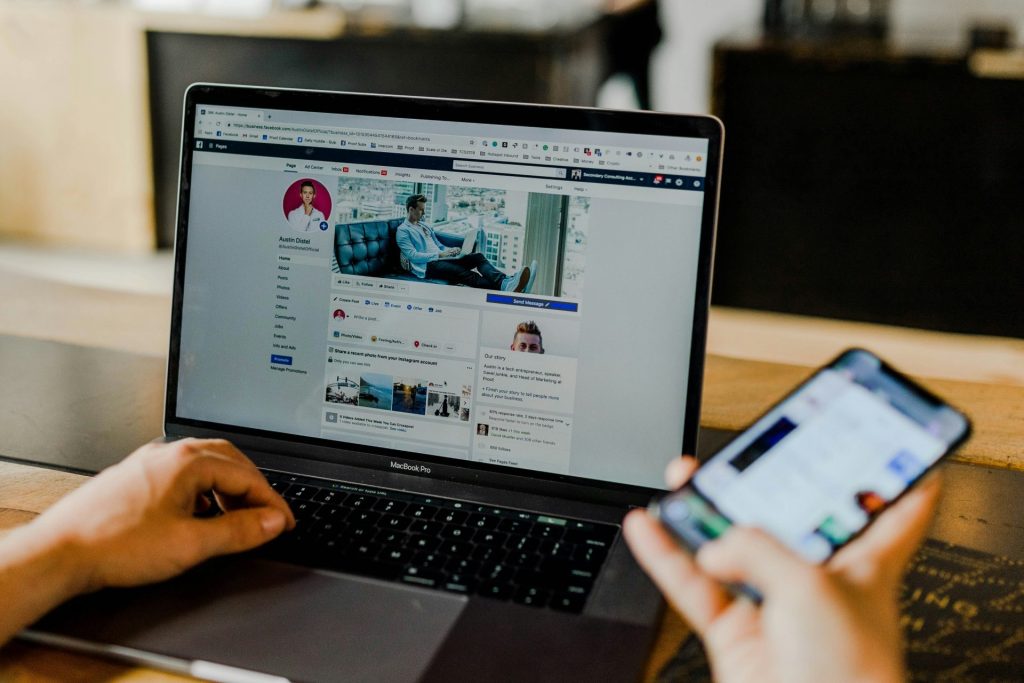
Social media have transformed the way we communicate, interact, and even think. These platforms, although virtually connected, tangibly influence our daily lives. While some extol their merits, highlighting their ability to bring individuals together and facilitate the sharing of information, others worry about the harmful effects they may have on society. In France, this debate is particularly lively. Will social media destroy French society or, on the contrary, strengthen it?
The question is worth asking. With the proliferation of false information and the rise of hate speech, some see social media as an imminent danger. They fear that these platforms exacerbate social, cultural, and political divisions. The effects on users’ mental health, especially among the young, are also concerning. Between addiction, anxiety, and depression, the consequences are real and alarming.
However, it is essential to recognize that social media are not inherently harmful. Their impact largely depends on how we use them. By promoting responsible use and developing effective regulatory tools, it is possible to minimize risks while taking advantage of the many benefits they offer. Therefore, rather than condemning social media outright, shouldn’t we seek to understand and manage their influence?
Impact of Social Media on French Society
Social media hold a prominent place in the daily lives of the French. However, an increasing number of voices are raised to condemn the dangers associated with these platforms. A recent survey by the NGO Destin Commun highlights the concerns of the French regarding the impact of social media on French society, particularly for their children.
Dangers for Children
Social media are perceived as a dangerous place for children by 80% of the French surveyed. Among the main concerns are the risks of cyberbullying, sexual predation, and the dissemination of violent or pornographic content. Parents bear primary responsibility for protecting their children online, but they also face social pressures, particularly at school, which makes it difficult to resist children’s demands.
Threats to Democracy
Social media are not only seen as dangerous for children but also for society as a whole. The French are largely aware of the risks that social media can pose for democracy. 71% believe that extreme viewpoints take up too much space on social media, and 50% consider these platforms a threat to the proper functioning of democracy.
Towards Enhanced Regulation
In light of these alarming observations, a large majority of the French are calling for stronger action from public authorities. 57% feel that the government is not doing enough to regulate social media. Regulatory measures, even prohibitions, are supported by the population. For example, 75% of the French favor a ban on platforms allowing accounts for those under 15, and 57% want a ban for those under 18.
Thus, social media represent a major concern for the French. The dangers they may pose, whether for children or democracy, are increasingly perceived. The results of the NGO Destin Commun’s survey show the urgency of enhanced regulation and collective awareness to protect French society. It is essential to find a balance between freedom of expression and user protection, especially for the most vulnerable.


