
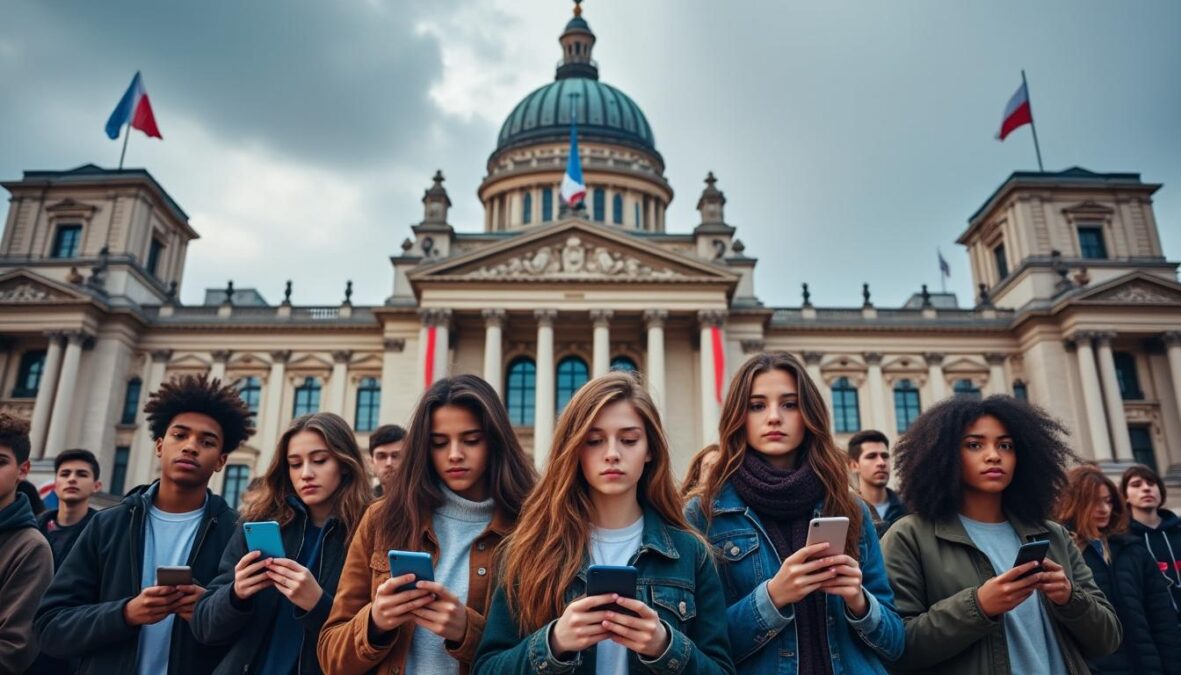
Towards a Ban on Social Media for Under 15s?
The bill currently being debated in the Senate seeks to prohibit access to social media for minors under the age of 15. This text, which has sparked strong reactions, addresses growing concerns about the safety of young online users and the dangers associated with early use of digital platforms. The question of the psychological and social impact of these tools on adolescents is at the heart of the discussions.
The Motivations Behind the Bill
Legislators put forward several reasons to justify this measure. One of the main arguments is the protection of children against online harassment, exposure to inappropriate content, and privacy risks. Furthermore, dependence on these platforms can lead to mental health issues among young people, such as anxiety and depression.
An alarming report indicates that a growing number of adolescents feel uncomfortable with their body image and self-esteem due to beauty standards conveyed on social media. Parents and educators express concerns about the influence of influencers and sponsored content that may encourage harmful behaviors.
Diverse Reactions Within Society
The proposed law has generated divergent reactions within society. On one side, family associations and some psychologists firmly support this initiative, arguing that it is urgent to protect young people from potential Internet dangers. Conversely, voices are also rising to defend freedom of expression and the importance of educating young people on responsible use of digital tools.
The social media platforms themselves are beginning to take measures to better control user access. For example, several platforms like TikTok are implementing advanced technologies to verify the age of their users, thus attempting to address growing regulatory concerns.
The International Situation
Similar initiatives have been put in place in other countries. In Australia, for example, digital giants are anticipating laws by banning access to under-16s on their platforms. This trend may well inspire other nations to consider similar laws in favor of youth protection.
The Implications for Users and Businesses
Such a ban could have significant repercussions for both users and businesses. Young people could be deprived of a space for expression and sociability that has become familiar to them, while companies will need to adapt to a new regulatory environment, potentially rethinking their marketing and engagement strategies with an older audience.
Moreover, this raises questions about the responsibility of social media in protecting young users. The establishment of such laws could encourage platforms to strengthen their parental controls and develop more effective tools to ensure the online safety of their users.


