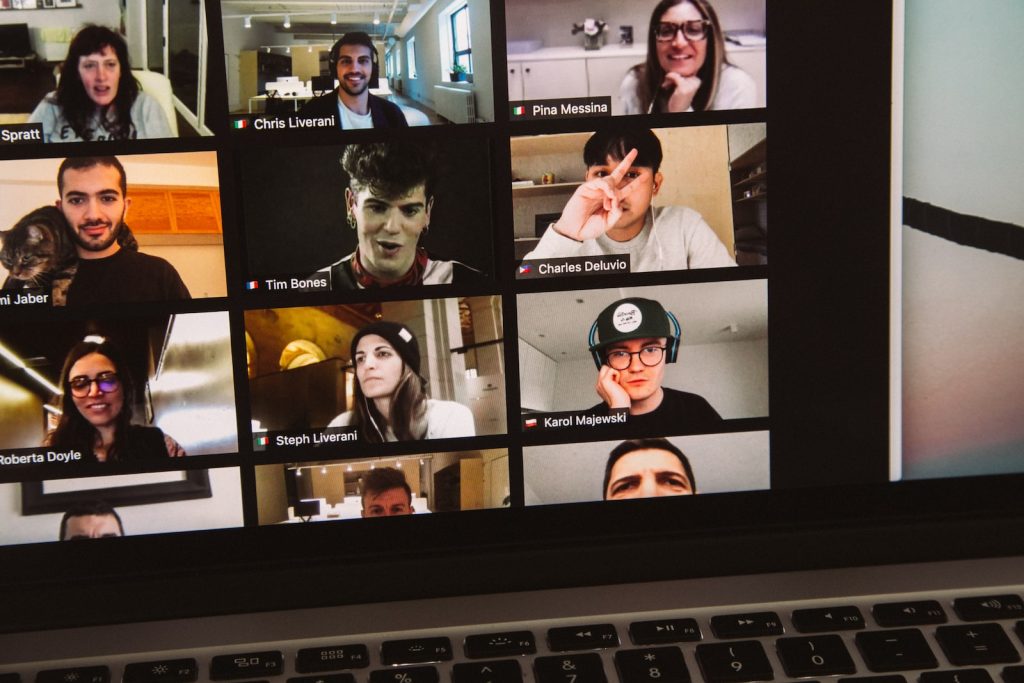
Whether we like it or not, hybrid work models are the new industry norms. The flexibility to choose between an office or a home setup continues to grow exponentially.
As a result, industries must adapt to new trends in team collaboration technology and software to support today’s world.
It can become challenging to manage the varying preferences of employees. Yet, modern companies cannot ignore this necessity. Therefore, it is crucial to stay up to date with technologies that can enhance hybrid productivity as an organization.
An in-depth overview of recent trends in collaboration technology can help streamline workflow and increase efficiency. This article aims to provide details on these innovations for New-Age businesses.
Top Trends in Collaboration Technology
The focus on simplicity will continue to grow
Modern workspaces are a mix of different types of employees. Some may work from home forever, residing in various locations and working across different time zones.
All these challenges require simple collaboration applications. Consequently, popular work applications like Microsoft Teams, WebEx, and Zoom are simplifying their user interfaces.
Now, teammates can share documents, chat, display company announcements, all with a single click. Furthermore, team meetings, an integral part of the collaboration activity, have become easier to access.
This collaboration trend will continue to improve with simple screen-sharing features and the need for low PC resource requirements. Thus, companies can benefit from implementing new updates and collaborative products that minimize hassle for the entire team.
The emergence of asynchronous collaboration
Remote companies have allowed businesses to recruit individuals residing in different locations. As a result, not all employees can respond at the same time.
Consequently, asynchronous communication has become a collaboration trend that can transform modern work.
In this mode of communication, employees do not need to respond instantly. Typically, a message or whiteboard is accessible to all team members. Therefore, employees can respond or share an idea within the defined timeframe.
It eliminates the need for lengthy communication and instant replies. Thus, the trend of asynchronous collaboration will continue to grow consistently.
Overall, this collaboration trend will enable businesses to recruit a talented workforce located in different time zones.
Enterprise social networks will bring a sense of community
Humans love visuals, and modern collaboration trends are evolving by utilizing this aspect. Social networking tools are the future of collaborative technology.
Solutions like Workplace allow companies to engage with employees. Consequently, teammates can upload documents, status updates, interesting photos, similar to social media accounts.
This mode of semi-formal engagement will continue to improve. Notably, features like current mood, active time, formal and informal groups will witness a significant enhancement.
Visuals and graphics will keep employees in the loop. Therefore, companies can benefit from a high level of engagement through such collaboration trends.
The only critical aspect of this trend will be adherence to work-related discussions.
Security solutions will become more appropriate
Using AI to combat cyber threats is a common trend in the digital world. However, its application in collaboration tools is gradually increasing.
With video conference meetings at risk from hackers, businesses must integrate modern security solutions.
As a result, collaboration tool companies have begun adopting features to secure their platforms. Encryption, private video URLs, and meeting notifiers are innovative measures to enhance security features.
Such collaboration trends will protect businesses from different levels of cyber threats. Notably, investment in securing collaborative platforms has increased and will remain at least stable.
Collaborative tools will work across multiple devices
The transformation of work has led to an increase in flexibility for professionals. Work is now easily accessible, thanks to seamless collaborative platforms.
In fact, modern professionals take their work beyond the office and home space. Some employees travel to different locations and operate comfortably.
However, confining collaborative tools to a laptop solution is no longer a barrier. One of the most revolutionary collaboration trends involves accessing work on smartphones, smartwatches, and car interfaces.
Platforms like Microsoft Teams already had a smartphone and PC solution. Now, companies can utilize tools like Zoho Cliq on smartwatches and cars.
Thus, businesses should keep an eye on such collaborative innovations. After all, improving employee convenience leads to increased productivity.
AI will continue to introduce wonderful features
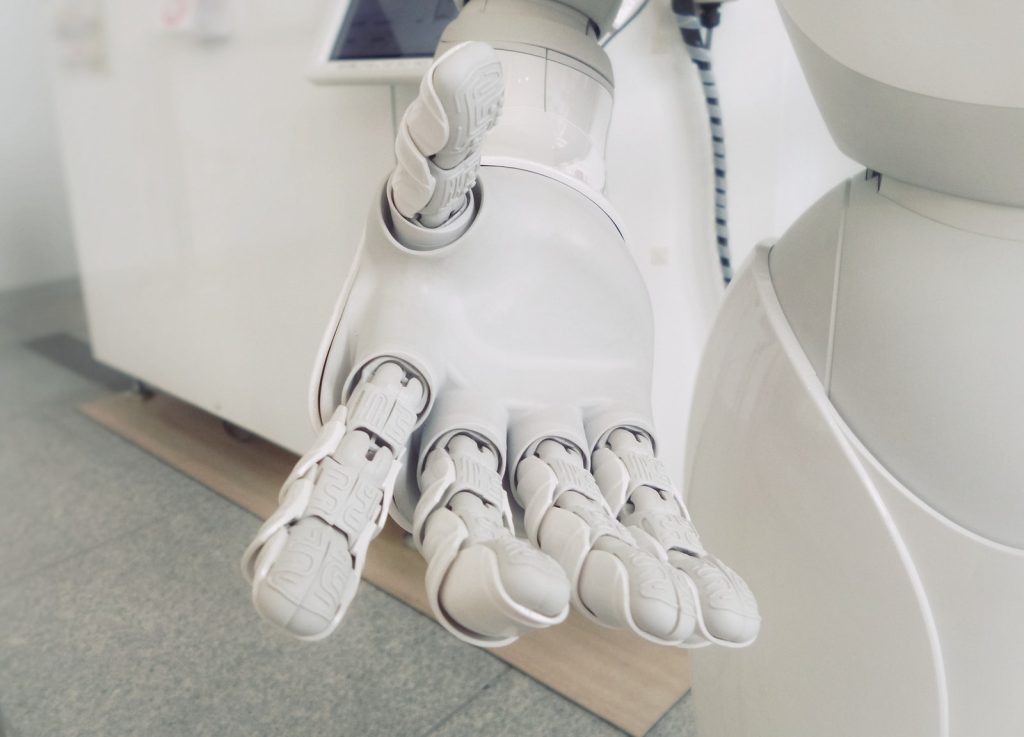
Start-ups have been integrating AI to help them make data-driven decisions. This same technology paves the way to revolutionize the collaborative workspace.
Recently, artificial intelligence has helped collaborative platforms leverage features like virtual backgrounds and ambient noise reduction.
Now, AI solutions will optimize other challenges with features like transcription services and smart notes.
Moreover, businesses can now build bots for different purposes. Notably, the exclusion of complex coding language will enable non-technical employees to utilize these features.
Therefore, artificial intelligence will transform collaborative platforms with more sophisticated features.
Cloud communication can take center stage
Businesses need agility and a transparent workflow for optimal productivity. Therefore, cloud-based collaborative platforms have emerged.
These server-based tools can store vital work data in a single location. Consequently, teammates can communicate and access any relevant files without hassle.
At the same time, cloud-based tools allow for centralized communication. Thus, employers can stay in the loop with their staff transparently.
As a result, the application of cloud computing is one of the latest ergonomic collaboration trends.
The workforce is becoming more competitive due to exposure to technology at an early age. Therefore, businesses must remain aware of technological trends that can engage modern employees.
These collaboration trends can positively transform the market. The main emphasis of these innovations lies in convenience, security, and effective management.
However, unifying distributed teammates should be the top priority for businesses above all these benefits. Notably, these trends allow for effective unification of employees located in different locations and time zones.
Awareness of these innovations will enable businesses to assess appropriate solutions for their staff. Therefore, companies can save on unnecessary costs incurred to benefit from unused features.
The trick lies in prioritizing staff requirements and wisely integrating collaboration technology trends.