
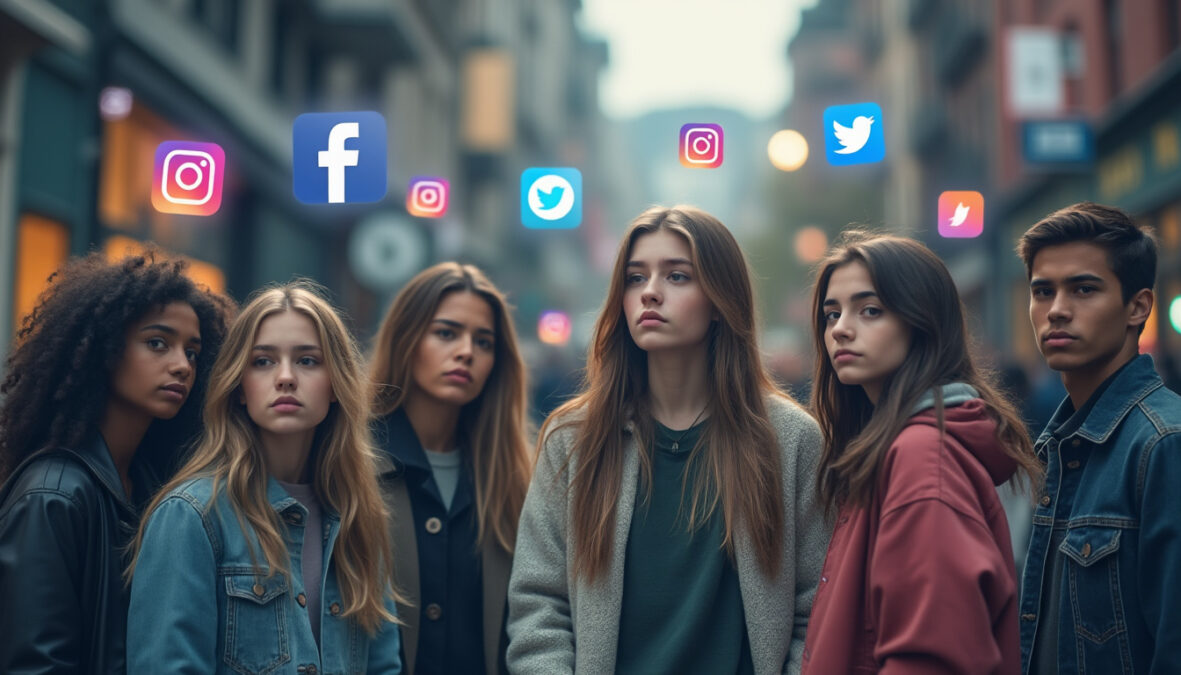
The issue of social networks and the access of minors to these platforms is raising increasing concerns worldwide. Many governments are adopting legislation aimed at protecting children from the potential dangers of the Internet. Countries like Vietnam, Australia, and even France are implementing various restrictions on social media use for those under 16, thus opening a debate on the balance between protection and freedom of access.
An Evolving Regulatory Framework
As part of measures aimed at protecting children, Vietnam is proposing an innovative system for users under 16. This system would allow young people to keep their accounts, while prohibiting them from posting, commenting, or reacting, thus limiting them to simply viewing content under a parent’s supervision. As planned, the parent would need to closely monitor the content viewed and the time spent online. Furthermore, platforms would need to adapt to identify these young users and offer them appropriate content, thus addressing concerns regarding #digital education.
Diversity of National Approaches
Each country is adopting a different approach to this issue. For example, Australia has taken radical measures by completely banning access to social networks for those under 16. Substantial fines are anticipated for platforms that do not comply with this legislation. France recently passed a law banning access to social networks for minors under 15, with implementation potentially occurring as early as September. Other countries like the United Kingdom have announced similar restrictions, extending to specific issues such as the use of romantic AI chatbots by younger users.
The Data Behind the Restrictions
The motivations driving governments to restrict access to social networks for minors are numerous. These include concerns related to cyberbullying, technology addiction, as well as anxiety and sleep disorders that social networks can cause. Various countries are fighting against children’s exposure to online predators, thus anchoring the legitimacy of these restrictions.
Critiques and Doubts on the Effectiveness of Measures
However, these initiatives are not without sparking debates. Organizations like Amnesty Tech criticize the real effectiveness of such bans, often deeming them disconnected from the actual usage of younger generations. Issues related to age verification also raise concerns about users’ privacy. This remains a crucial point of friction that governments must consider when implementing these laws.
A Growing Global Movement
Despite doubts about the applicability of the restrictions, the movement towards stricter legislation seems to be accelerating globally. The list of countries considering or having already adopted similar measures continues to grow, including nations like Denmark, Greece, and Poland, with age thresholds ranging from 14 to 16 years. Each case presents its own specifics, with some countries even excluding messaging apps like WhatsApp or Signal from their regulations.
It remains to be seen whether these legislative efforts will succeed in finding a balance between protecting minors and the freedom to access the information that social networks provide. The experiences of various countries, particularly Australia as a pioneer, could play a crucial role in future decisions governing social media use among the younger population.


