
The __government’s proposal__ to ban social media for those under 15 opens up a crucial debate about the consequences of minors’ use of digital platforms. However, several essential elements are often omitted from this discussion, particularly the psychosocial impacts, content regulation, and the alternatives available to regulate social media use. This article examines these aspects, highlighting the necessary nuances in this measure.
The psychosocial issues related to social media use
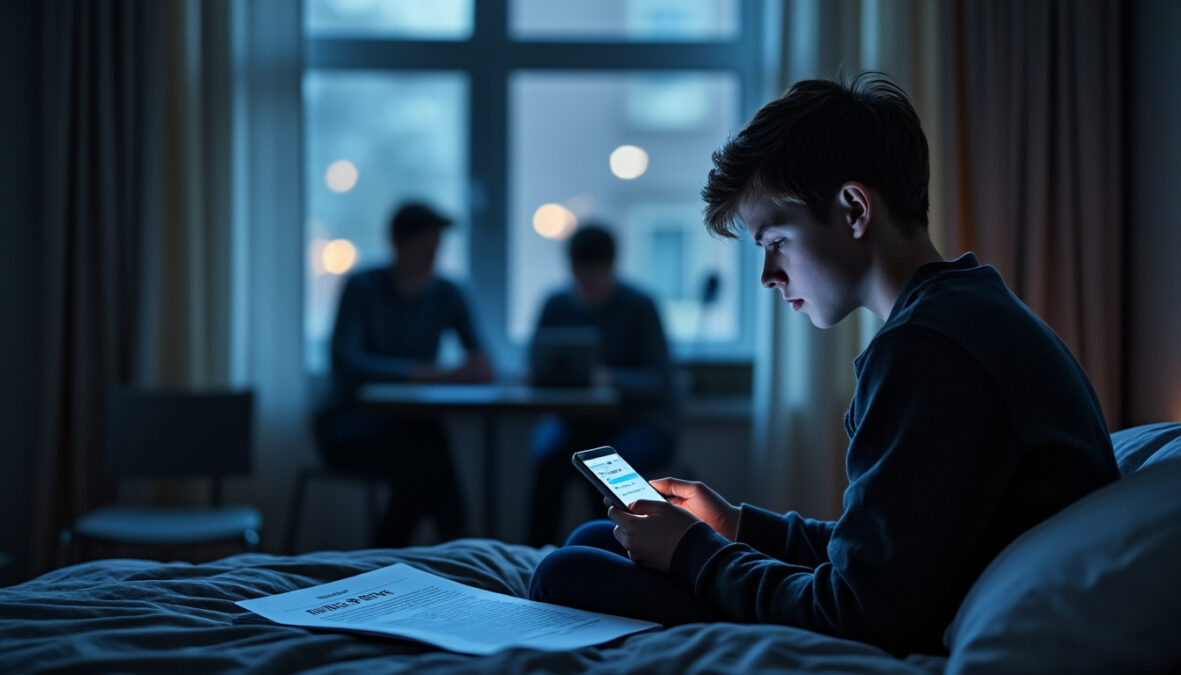
Social media, while offering opportunities for connection and expression, also presents risks for young users. Early exposure to inappropriate content can have severe impacts on their mental health, leading to disorders such as anxiety and depression. The __proposed ban on access for those under 15__ does not sufficiently take these elements into account. Moreover, the __culture of comparison__ that is ubiquitous on these platforms can lead to a deterioration of self-esteem among young people.
A necessary regulation of content
The issue of content regulation is paramount. Indeed, minors’ access to social media must be governed by clear and effective rules. Currently, most platforms apply age-related conditions, but these measures are often insufficient. The __government’s proposal__ may seem appropriate, but it fails to specify how to ensure the removal of harmful content and the establishment of filtering solutions. How can we ensure that young people do not access harmful content without an adequate strategy in place?
Alternatives to a complete ban
There are alternatives to the outright ban on accessing social media. Rather than prohibiting, the government could explore more suitable solutions, such as the implementation of educational initiatives. Developing digital literacy programs would enable young people to learn to navigate these platforms safely. The initiative presents concrete solutions that deserve consideration for fostering responsible use.
The responsibilities of platforms and parents
It is crucial to engage in dialogue about the responsibility of social platforms in protecting young users. Companies must be held accountable for the content they host and the algorithm that governs the dissemination of information. __Parents__, for their part, play a fundamental role in guiding their children on these networks. Parental control tools and open dialogue within families can serve as a relay for safer use of social media.
The impacts of such a ban on the digital sector
The __ban measure__ could also have significant repercussions on the digital sector. In a world where technology is omnipresent, depriving a portion of youth of communication and information tools could hinder innovation. In this sense, it is imperative to consider the consequences of such a decision on the development of young people’s digital skills.
It is essential to take into account all dimensions surrounding the ban on social media for those under 15. Beyond a restrictive approach, a broader debate must open, considering regulation, education, and the role of various stakeholders in the digital landscape. This complex topic deserves special attention to ensure safety while preserving young people’s freedom of use.


