
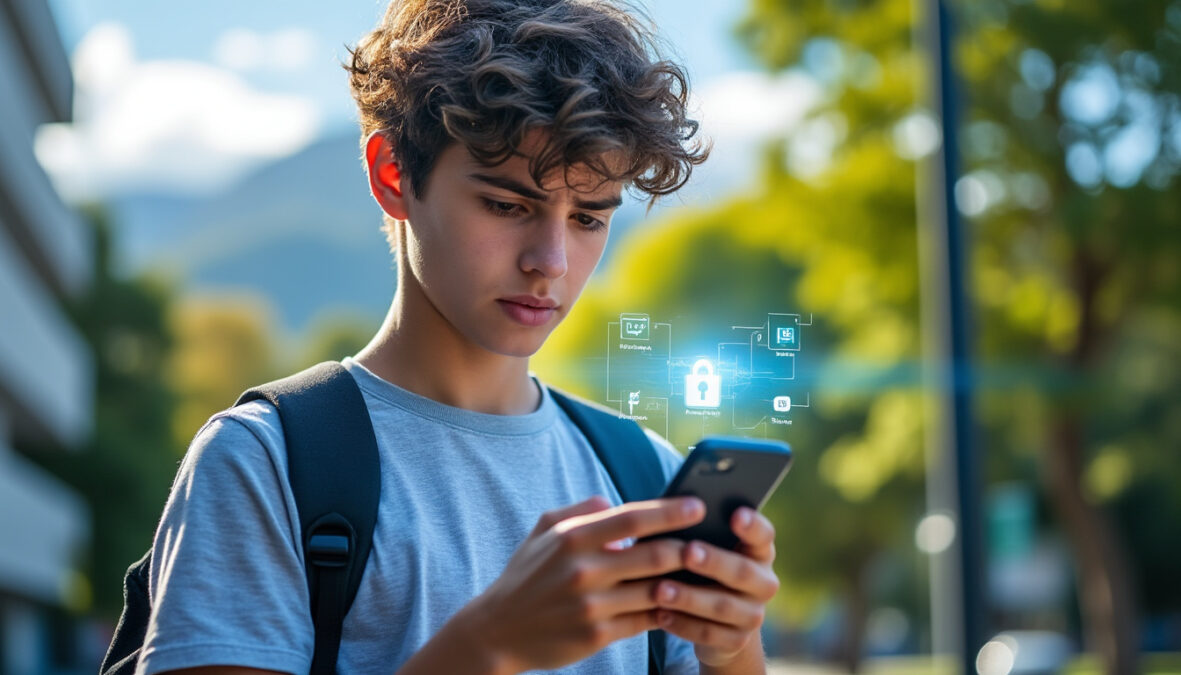
In New Zealand, the Prime Minister recently proposed measures aimed at restricting access to social media for adolescents under the age of 16. This initiative raises important questions about the mental health of young people and how they interact with digital platforms. This project fits into a broader context of concerns regarding the impact of social media on younger generations.
Growing concerns about social media
The rise in popularity of social media has raised numerous questions about its effects on the mental health of adolescents. Studies show that excessive use of these platforms can lead to issues such as anxiety, depression, and body image disorders. These concerns have led New Zealand authorities to consider restrictions to protect their young citizens.
A bold political initiative
The New Zealand Prime Minister has suggested that banning access to social media for those under 16 could be an effective solution to minimize the negative effects of these platforms on young people. Drawing inspiration from various studies and research, he hopes to create a safer digital environment for adolescents. Many voices within the government support this proposal, arguing that it is a necessary step to protect them.
The social impact of restricting access
Restricting access to social media could have notable effects on how adolescents interact with one another. While some may feel isolated without these communication tools, others might also benefit from reduced distractions and better focus on studies and offline activities. This duality raises the question of finding a balance between the digital world and the personal development of young people.
Voices for and against the proposal
This initiative sparks passionate debates among parents, educators, and mental health experts. On one side, supporters of the restriction highlight the dangers of social media, arguing that it is the responsibility of adults to protect young people. On the other side, some critics believe that such a measure limits adolescents’ freedom of expression and could hinder their ability to learn how to navigate a complex digital world.
The future challenges of social media
In an increasingly connected world, the question of regulating social media for young people could open up a vast field of discussions. The experiences of other countries regarding regulation of social media could also provide interesting perspectives to consider. For instance, a recent article addresses how certain legislations recommend warnings similar to those found on cigarette packages to alert about the dangers of social media. These measures could serve as a model for New Zealand in its commitment to protecting young people.
Internationally: other similar initiatives
Globally, other countries are also starting to consider restrictions related to social media for young people. For example, in New Zealand, discussions around these issues are prompting political decision-makers and social media companies to take action. Such dialogues highlight the importance of creating healthy digital environments for adolescents.
A future to build
As the discussion about access restrictions continues, the future of social media for young people in New Zealand will largely depend on the results of research and policies put in place. It is crucial to find a solution that preserves both the mental health of adolescents and their ability to interact within the digital society. Further research will undoubtedly guide these crucial choices.
With the emergence of new regulatory proposals, there is keen interest in seeing how this will influence policies and the use of social media, not only in New Zealand but also internationally.


