
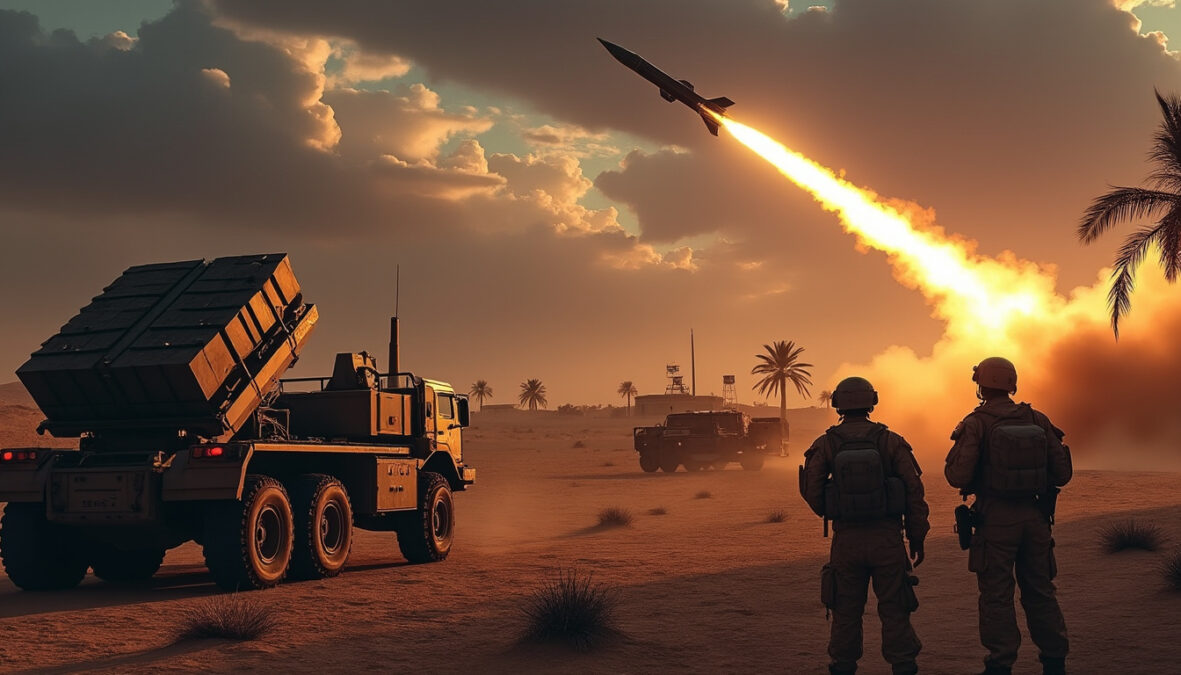
The conflict in the Middle East is taking a worrying turn as Iran intensifies its attacks on American bases located in Kuwait. This development comes amid a backdrop of reciprocal military strikes between Iran and the United States and highlights the increasing tensions that have persisted for several months in the region. The repercussions of these actions could have far-reaching effects on the stability of the Middle East.
A new episode of hostilities
On Thursday, September 3, Iran targeted American military interests in Kuwait, opening a new era of hostilities, despite the retaliation threats made by American President Donald Trump. He warned that the United States was ready to strike “at any moment” the Islamic Republic, following a series of striking exchanges that raise concerns about a new military flare-up. The Kuwaiti army reported exchanges of missiles and drones, marking a significant escalation of tensions in the sensitive region.
American strikes and the Iranian response
The situation has turned regarding the military strikes from the United States which, in the previous days, caused considerable losses. This climate of violence has forced Iran to intensify its replies, with significant targeting strategies aimed at American military installations, even hitting civilian areas, including a tragically struck wedding. Iranian authorities claim that these actions are necessary responses to the aggressive acts of the United States against the Iranian people.
International reactions and strategic implications
The climate of tension has sparked various international reactions, particularly from the Israeli government, which has reported its capability to respond to an imminent Iranian attack. While Iran vows to destroy the foundations of its American enemy, attention is also turning to the Strait of Hormuz, vital for the transportation of hydrocarbons, where two oil tankers have been set ablaze. This situation further exacerbates the economic and military stakes and could necessitate immediate diplomatic intervention.
The economic consequences of war
President Trump is facing a growing popularity crisis in the United States, against the backdrop of the high costs of this war. The midterm elections are approaching, and the specter of an unpopular conflict does not escape the attention of American leaders. While the administration emphasizes strategies of economic pressure on Tehran, Iran defies these efforts by showcasing its military intentions through widespread attacks.
A conflict with global implications
The situation in the Middle East remains fragile, and Iran’s actions against U.S. allies in the region – means they call “war crimes” – could have unforeseen repercussions. Despite American efforts to limit Iranian influence, the country claims to have developed a “new strategy” with the intent to reshape the geopolitical landscape. Tensions persist as the world watches with concern a potential spread of the conflict, potentially affecting countries under Fars’ influence, among others, Jordan, Bahrain, and the United Arab Emirates.
For a more in-depth analysis of the repercussions of this conflict, as well as ongoing geopolitical movements, feel free to consult related articles on the situation in the Middle East or the political reaction from Trump. Other countries, such as New Zealand, are also beginning to take measures in response to global tensions.


