
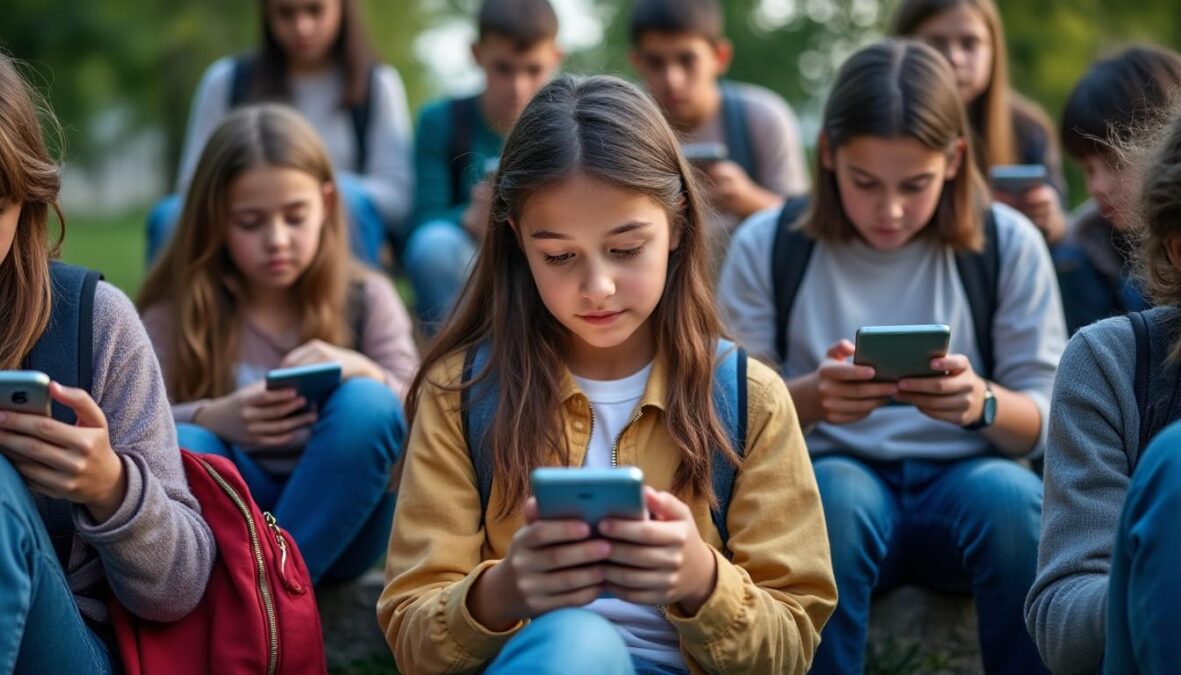
The question of the use of social networks by minors has become a major topic of debate, both socially and legislatively. While digital platforms play a central role in the socialization of young people, it is essential to approach their use with caution. This article explores the issues, challenges, and proposals regarding regulation, highlighting the importance of a balanced and thoughtful approach.
The issues surrounding minors’ access to social networks
Social networks offer a multitude of opportunities for minors, particularly in terms of communication, creativity, and personal expression. However, these digital environments also carry risks, ranging from exposure to inappropriate content to cyberbullying. The need to protect young users is therefore paramount, while still allowing them to take advantage of the positive aspects of these platforms.
Evolving legislation
In response to growing concerns, several countries have started to consider regulations to govern minors’ access to social networks. For example, the Senate is currently examining a bill aimed at banning access to social networks for children under 15, thus emphasizing the importance of acting in this direction. This initiative could have significant consequences for how young people interact online and for the responsibility of platforms.
The responsibilities of platforms
It is also essential that social network companies take their responsibilities seriously. By restricting the visibility of certain content, such as erotic publications, these platforms aim to create a safer environment for their users. This approach is just one part of the efforts needed to protect minors, as demonstrated by platform X’s actions regarding content restrictions within the European Union.
A need for education
Beyond legislative and technical restrictions, it is crucial to encourage appropriate digital education. Minors must be taught about responsible online behaviors, the management of their privacy, and the risks associated with excessive use of social networks. By integrating this education into school curricula, we can prepare young people to navigate the digital world thoughtfully.
The search for balance
The priority should be to achieve a balance between protection and freedom. On one hand, it is necessary to regulate minors’ access to social networks to ensure their safety. On the other hand, it is equally important not to restrict learning and interaction opportunities. Finding this balance is a complex challenge that requires collaboration between policymakers, educators, and families.
Towards targeted regulation
To achieve effective regulation, open dialogues between all stakeholders are essential. Initiatives such as those regarding crypto-mining and blockchains illustrate the importance of a thoughtful approach to anticipate technological developments. Similarly, the regulation of social networks must take into account cultural specifics and current trends among youth.
The future of minors on social networks
As discussions continue about the future of minors and social networks, it is clear that actions must be taken. The difficulty lies in the need to anticipate the potential consequences of decisions made today. By staying attentive to innovations and emerging issues, we can cautiously move forward at every step, thereby ensuring a fulfilling and safe online experience for all young users.


