
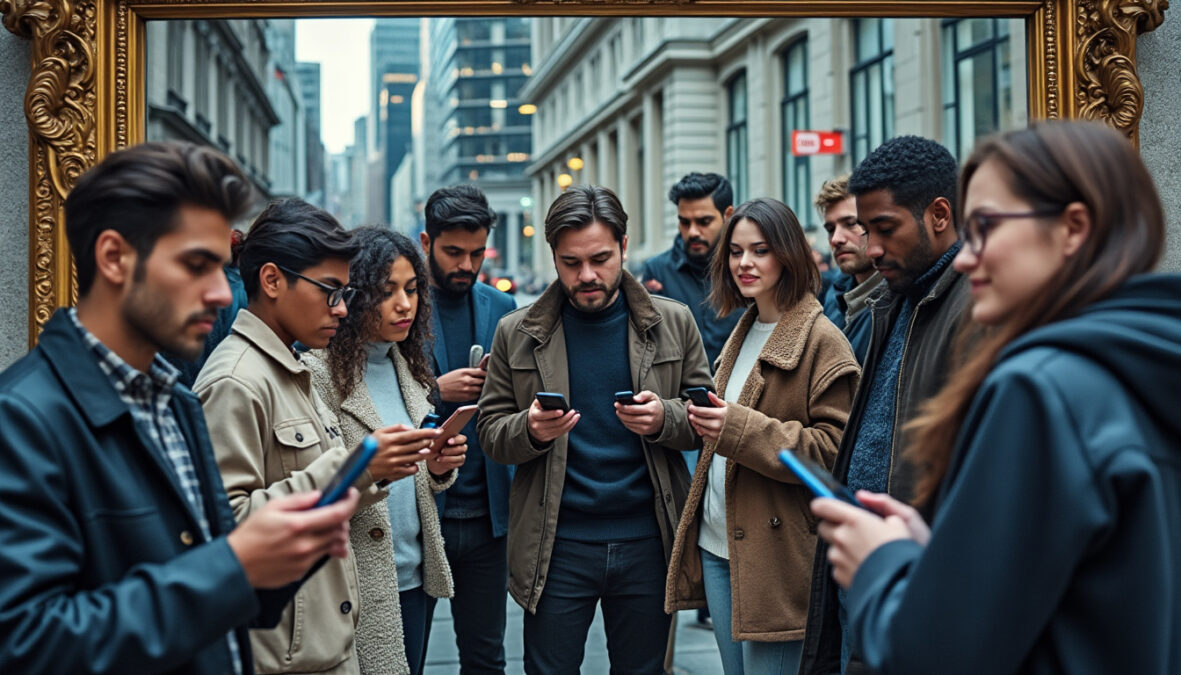
Social media influencers provide a fascinating and often troubling glimpse into our society. Through their content, they reveal not only emerging trends but also the struggles, expectations, and stereotypes that define the current landscape. From gender equality to the representation of different cultures, these content creators echo broader societal issues while facing unique challenges due to their status. This article explores how these influencers act as a mirror of our contemporary reality.
Gender representation on social media
Social media highlights inequalities between genders, particularly regarding the visibility of women in areas often dominated by men. Despite their massive presence, influencers encounter visibility barriers that hinder their growth. For instance, on platforms like TikTok and YouTube, even though women are in the majority among lesser-known content creators, the number of subscribers drops sharply as one ascends the influencer hierarchy. This cycle reflects real-life inequalities where women, despite their creativity and skills, struggle to gain fair recognition.
Algorithms and their impact on representation
Social media algorithms play a key role in determining who gets noticed and who remains in the shadows. These systems tend to prioritize content that has already achieved some success, favoring established creators, often men. This phenomenon contributes to creating a vicious cycle where female content creators see their work invisibilized, adding an extra dimension to the fight for equality on these platforms.
Content themes and their influence on society
The diversity of themes addressed by influencers also reflects current societal concerns. In areas like beauty and fashion, women undoubtedly dominate, while they are largely underrepresented in sectors like politics, technology, or automotive. This imbalance not only highlights persistent gender stereotypes but also emphasizes the importance of diversifying voices and perspectives within these platforms.
The challenges of cyberbullying
Cyberbullying is another factor that shapes the representation of women on social media. Influencers often fall victim to sexist comments and judgments about their physical appearance, which can seriously affect their confidence and legitimacy. These attacks can discourage many women from expressing themselves freely on issues that matter to them, thus creating an environment where their voices are stifled.
A reflection of an evolving society
Influencers illustrate the changes in our society regarding diversity and inclusion. As they address topics ranging from mental health to gender equality, they serve as conduits for essential conversations within the population. Their influence allows them to reach thousands of people and foster a dialogue around often-overlooked subjects.
The role of support projects
Initiatives like the BetHer program aim to support women content creators. By providing them with the necessary tools for professionalizing their online presence, these projects help narrow representation gaps. By ensuring adequate training on video editing, copyright protection, and collaboration negotiation, these programs work toward a greater gender balance in the influencer world.
Women’s mixed consumption
Another interesting aspect of analyzing social media is that women have a more varied content consumption than men. This behavior translates into a passion for female creations, as well as a more active interaction with different types of content. In contrast, men tend to prefer male creators, contributing to an imbalance in audience engagement on the platforms.
These dynamics are representative of the challenges faced by female content creators, but also of the opportunities available to them to transform the narrative and make their voices heard in a constantly evolving digital world.


