
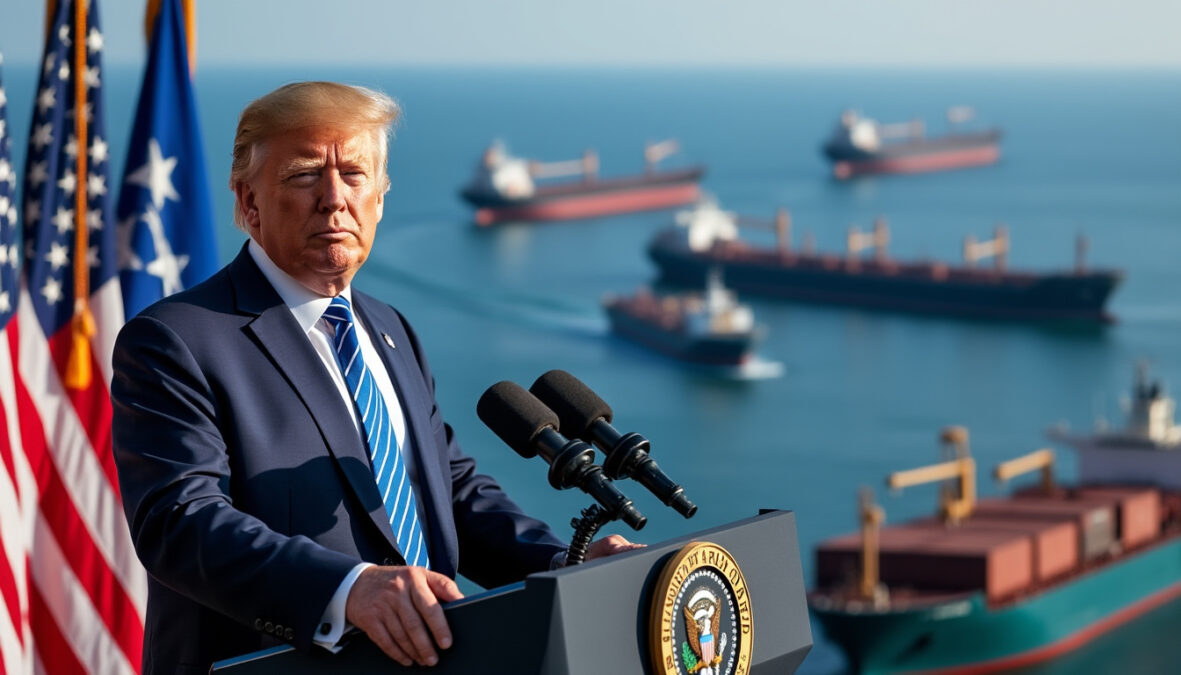
In a major announcement, former President Donald Trump declared the total reopening of the Strait of Hormuz this Friday, marking a decisive turning point in relations between the United States and Iran. This decision follows the signing of a historic agreement aimed at easing tensions between the two nations, allowing for a resurgence of maritime traffic in this strategic route for global trade.
Geopolitical Context of the Strait of Hormuz
The Strait of Hormuz, a narrow maritime passage located between Iran and Oman, is considered one of the most crucial routes in the world. Approximately 20% of the world’s oil passes through these waters, making it a key point for the global economy. Tensions in this region have often led to military confrontations and disruptions in energy supplies, affecting oil markets and the global economy. The reopening of the strait could therefore have significant repercussions on crude prices and regional stability.
Details of the Historic Agreement
Trump revealed that this agreement, which was negotiated as part of intensified discussions between the United States and Iran, aims to establish a solid foundation for lasting peace. According to information provided by several sources, this agreement stipulates not only the reopening of the Strait of Hormuz, but also includes promises of military de-escalation and a commitment to ongoing diplomatic dialogue. Unprecedented proposals regarding the Iranian nuclear program and agreements on military assistance were also put on the table during the negotiations.
Impact on the Oil Market
With the promise of restoring traffic in the Strait of Hormuz, experts anticipate an immediate impact on the oil market. The possibility of oil shipments flowing once again could stabilize prices, which had experienced heightened volatility due to military tensions. Analysts estimate that this reopening could encourage investors and bolster confidence in oil markets, particularly in light of fears about a prolonged conflict between the two countries. For more information on oil price trends, consult relevant analyses.
International Reactions and Future Implications
The reopening of the Strait of Hormuz is not only an issue for the United States and Iran, but also for the international community. Many countries will closely monitor the effects of this agreement on maritime security and economic relations in the region. Countries like Saudi Arabia, which also rely on maritime trade through the strait, welcome the decision, hoping it will contribute to a lasting stabilization of relations in the Middle East.
Upcoming Challenges
Despite this optimistic agreement, challenges remain. Some analysts warn that the persistent mistrust between the United States and Iran could lead to new tensions. Hezbollah and other regional actors have a vested interest in monitoring any developments in this context. It will be crucial to see to what extent the terms of the agreement are actually implemented and how stakeholders respond to changes in the regional dynamic.
Trump’s announcement about the reopening of the Strait of Hormuz, combined with the historic agreement with Iran, represents a significant step in modern diplomacy. The dynamics of global trade and energy issues could very well be redefined by this initiative. The coming months will be critical to assess the effectiveness of this agreement and its repercussions on regional stability.


