
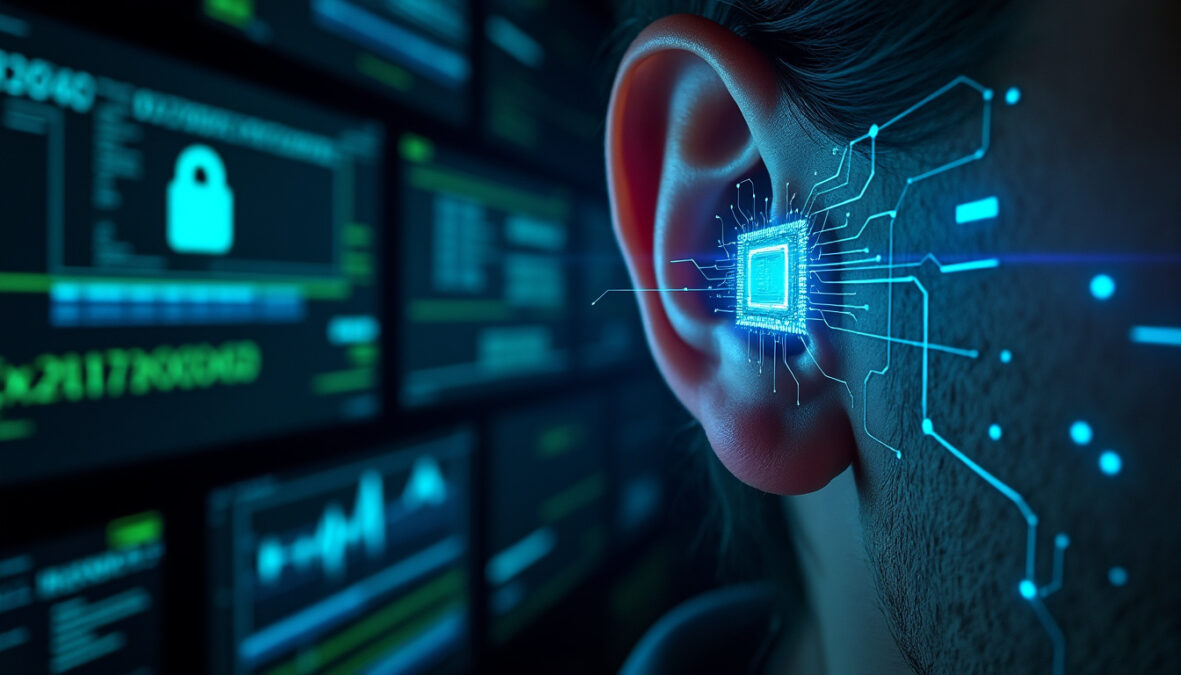
In a context where technology is advancing by leaps and bounds, the challenge between artificial intelligence and cybersecurity becomes increasingly urgent. The notion of “A Chip in the Ear” symbolizes this delicate mix between innovation and potential vulnerabilities. This article explores how AI, while providing new solutions, questions existing security standards.
The Rise of Artificial Intelligence
As the digital world evolves, artificial intelligence becomes an indispensable player. It revolutionizes not only how we live and work, but also introduces unprecedented methods to enhance cybersecurity. Thanks to sophisticated algorithms, companies can quickly analyze massive volumes of data to detect abnormal behaviors or potential threats.
AI Serving Cybersecurity
The applications of AI in the field of cybersecurity are multiplying. From intelligent intrusion detection systems to predictive analytics tools, AI helps anticipate and neutralize cyberattacks before they can cause harm. For example, a platform recently launched in the Pays de la Loire aims to boost innovation by integrating large-scale artificial intelligence solutions, thereby enhancing data security and user protection.
The Challenges Posed by Artificial Intelligence
Despite notable advancements, artificial intelligence also presents considerable challenges in terms of cybersecurity. One of the main concerns lies in the increasing use of algorithms by malicious actors to design increasingly sophisticated cyberattacks. They rely on artificial intelligence to develop malware capable of bypassing traditional security systems.
Inherent Vulnerabilities of AI
By incorporating AI into security systems, we also expose them to new vulnerabilities. Attacks targeting AI models, in order to alter their outcomes or cause failures, are becoming more common. One of the major challenges lies in training these systems, where biased data can lead to erroneous decisions and thus compromise security.
The Sector’s Response to These Challenges
To counter these threats, companies are strengthening prevention measures by integrating advanced technologies. Initiatives like the recent addition of a feature in Siri, developed by Apple, demonstrate the commitment of tech giants to combine artificial intelligence and security.
Training and Awareness
Training users and security professionals is becoming crucial to understanding the risks associated with AI. Implementing educational programs on cyber risks and best security practices can significantly reduce the attack surface and strengthen the effectiveness of current security systems.
Ethics and Regulations
In light of the ethical issues raised by the use of artificial intelligence in cybersecurity, a collective reflection is necessary. Authorities must work towards developing appropriate regulations to protect users while fostering innovation. Discussions are already underway regarding the application of laws governing the use of data and AI technologies to ensure responsible and secure use.
Current trends indicate that a balance is needed between data protection and innovation, which could eventually reduce the gap between artificial intelligence and cybersecurity. Collaborative initiatives among companies, governments, and researchers could lead to sustainable solutions aimed at creating a safer digital environment.
Innovation and the Future
The future of artificial intelligence and cybersecurity looks promising yet tumultuous at the same time. Rapid advancements in this field promise to transform the technological landscape for both professionals and individuals. It is essential to remain vigilant in face of these evolutions in order to maximize the benefits brought by AI while minimizing the risks it generates.


