
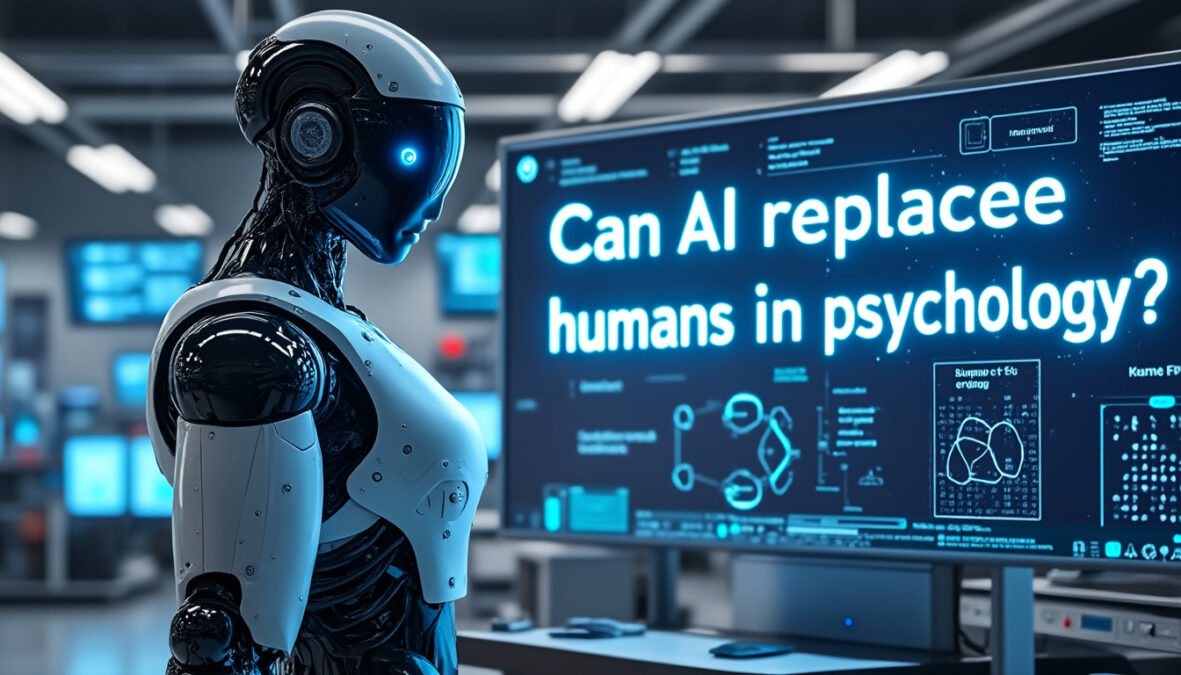
At the heart of an unprecedented technological evolution, artificial intelligence (AI) is generating growing interest in various fields, including psychology. With tools like ChatGPT, the question arises: can these technologies replace human psychologists? This article explores the findings of recent studies examining this fascinating issue, presenting data and perspectives that may well redefine our understanding of modern therapy.
The Advances of Artificial Intelligence in the Field of Psychology
Advancements in AI have enabled the development of systems capable of analyzing and understanding human emotions. Programs like ChatGPT use sophisticated algorithms to process millions of conversational data points, allowing them to reproduce exchanges similar to those a human psychologist might have with their patients. By relying on this data, AI can identify behavioral patterns and propose solutions tailored to individuals’ needs.
The Potential Benefits of AI in Psychological Practice
One of the main advantages of using AI in psychology lies in its ability to be available 24/7. Unlike a human psychologist, who must manage their work hours and personal commitments, an AI system is accessible at any time. This can provide individuals in distress with immediate support, without having to wait for an appointment. Additionally, AI can be used to analyze mental health issues on a large scale, enabling early identification of disorders, which can be crucial for treatment.
The Limitations of Artificial Intelligence in Psychology
Despite its promises, AI cannot fully replace humans in psychological practice. A significant part of the therapeutic experience relies on the human relationship and empathy, aspects that AI systems are not able to fully replicate. The nuances of human interactions, deep understanding of emotions, and a person’s ability to show empathy are essential factors that contribute to the effectiveness of therapies, often inaccessible to machines. Furthermore, ethical and confidentiality issues surround the use of AI, particularly regarding the protection of personal data of patients.
Intriguing Study Results on Human Substitution by AI
Recent studies show surprising results regarding the interaction between AI and therapy. A report from a study published in a specialized journal highlighted that some individuals felt a sense of connection with AI systems equivalent to that which they feel with a mental health professional. Researchers, however, caution against interpreting these results. While participants expressed a certain level of satisfaction, this does not mean that AI can genuinely replace human expertise.
Conclusion: A Complement Rather Than a Substitute?
It seems that the future of digital psychology is shaping up as a collaboration between humans and AI rather than a complete substitution. AI will undoubtedly have a role to play in extending psychological services, but to achieve optimal results, a hybrid approach that combines the power of artificial intelligence with the expertise of human psychologists appears to be the way forward. To delve deeper into this topic, you can consult fascinating articles on the issues of AI in psychology, particularly studies discussing the possibility of artificial intelligence replacing psychologists in certain aspects. You can read a relevant article here and discover the different perspectives on this complex question.


