
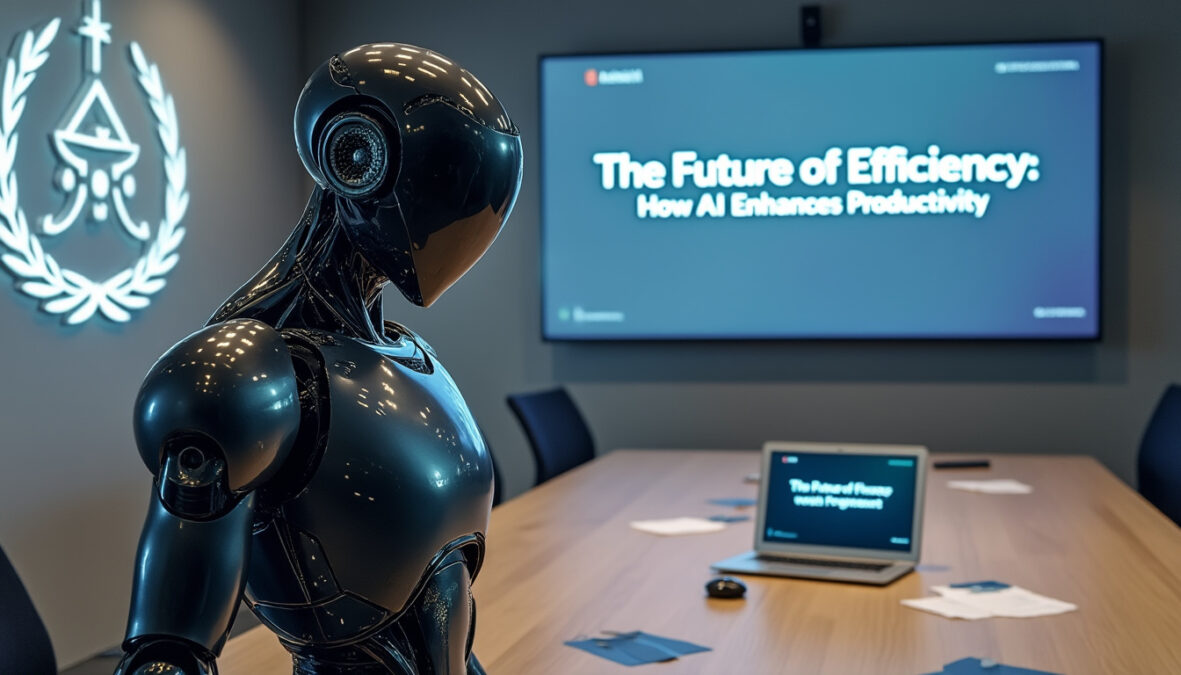
Artificial Intelligence (AI) is proving to be a major player in various sectors, significantly affecting organizational and societal dynamics. However, its integration into patriarchal structures raises questions about its implications and its potential use to reinforce already existing inequalities. This article explores how AI can be perceived as a tool in the service of patriarchal structures, highlighting ethical issues, challenges, and future perspectives.
Power dynamics shaped by AI
The rise of AI raises fundamental questions about how power and control are distributed within organizational structures. By relying on algorithms and automated systems, AI can reproduce and exacerbate pre-existing biases related to gender roles. Algorithms are often trained on data sets that reflect biases and stereotypes, which can lead to decisions that favor men at the expense of women. For example, in recruitment, the use of AI tools can reinforce discriminatory practices by valuing predominantly male historical profiles, thereby perpetuating a cycle of exclusion.
Ethics and algorithmic bias
One of the main challenges associated with AI in the context of patriarchal structures is the emergence of algorithmic bias. These biases, often unconscious, can result in decisions and recommendations that inadvertently favor masculine perspectives. Companies utilizing AI must therefore ask pertinent ethical questions: how can the transparency of algorithms be ensured? What measures can be taken to minimize the impact of these biases on decision-making? The stakes are high, as neglecting these elements could further marginalize women and other underrepresented groups in traditional work environments.
Impact on human resource management
In the field of human resource management, AI is often used to improve the efficiency of recruitment, evaluation, and promotion processes. However, these tools can also help maintain patriarchal structures. For example, automated rating systems may undervalue women’s performance due to implicit biases present in the assessment of performance criteria. As a result, competent women may be overlooked in favor of male candidates, exacerbating gender inequalities within companies.
Responses and alternatives
In light of the potential implications of AI on patriarchal structures, some companies and institutions are beginning to adopt proactive approaches. This includes integrating ethics committees to oversee the use of AI technologies, as well as developing inclusive algorithms aimed at minimizing biases. Furthermore, gender equality awareness programs help educate employees about AI-related issues and inclusion. These measures aim to transform AI from a tool reinforcing inequalities into a powerful lever for social change and improvement of gender dynamics.
Open conclusion on the future of AI
The future of AI is closely linked to our ability to recognize and address its implications within patriarchal structures. As technology continues to evolve and influence our lives, it is crucial to engage in critical reflection on its uses and impacts. This requires collaboration between AI research, gender equality theorists, and companies to create work environments that truly value diversity and inclusion.


