
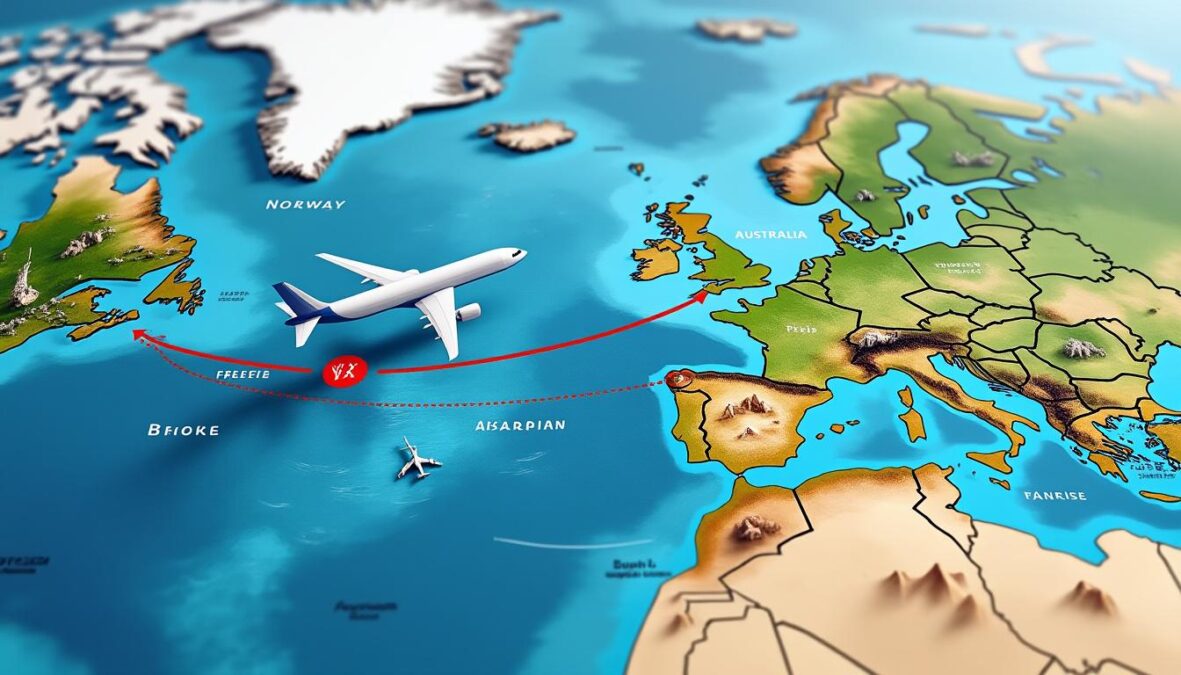
On a global scale, the issue of regulating social media for young people is gaining significant momentum. From Norway to Australia, including France, many countries are considering implementing access bans to platforms for minors. This article provides an overview of the ongoing legislative initiatives on this subject.
Norway at the forefront of bans
Norway has recently positioned itself as one of the most advanced countries in terms of regulating social media. The Prime Minister, Jonas Gahr Støre, announced on April 24 a bill aimed at banning access to social networks for those under 16 years old, believing it is crucial to protect childhood from algorithm manipulations. This project will also require platforms to verify the age of their users.
The French initiative and its challenges
In France, the government has also taken the initiative to protect the youth. A law adopted by the National Assembly is set to prohibit access to social media for those under 15 starting in the 2026 school year. However, the current version of the text, modified by the Senate, is limited to certain “potentially harmful” networks, which could delay its implementation, especially if it is not compatible with European directives.
Measures in preparation in other European countries
Other European countries are following the French example. Austria recently announced a ban on social media for those under 14, while Greece and Portugal are considering similar restrictions for teenagers. The Italian Parliament is also discussing a law to impose age restrictions on these platforms, specifically for those under 15.
The global trend towards increased regulation
Beyond Europe, countries like Australia have already taken the step of banning access to several social media networks for those under 16, a measure that came into effect in December 2025. This movement is also being observed in Indonesia, where the restrictions apply to youths under 16. In this regard, Turkey has adopted a similar law that also imposes parental controls.
Ongoing reflections and political debates
The debate is not limited solely to the implementation of bans. Many countries, such as Germany and Spain, are considering various strategies to regulate the use of social media by minors. This includes discussions on age restrictions and measures aimed at controlling the dissemination of illegal and potentially harmful content.
Initiatives with significant potential
In light of this wave of initiatives, the European Commission is also seeking to establish a common framework to regulate young people’s access to social media. President Ursula von der Leyen emphasized the need for a harmonized approach at the European level, with recommendations expected before next summer.
Towards increased protection for adolescents
As several countries move towards banning access to social media for minors, the question remains: will these measures be enough to protect young people from online dangers? Parents are seeking solutions, but the circumvention of restrictions by adolescents raises questions about the actual effectiveness of these laws.


