
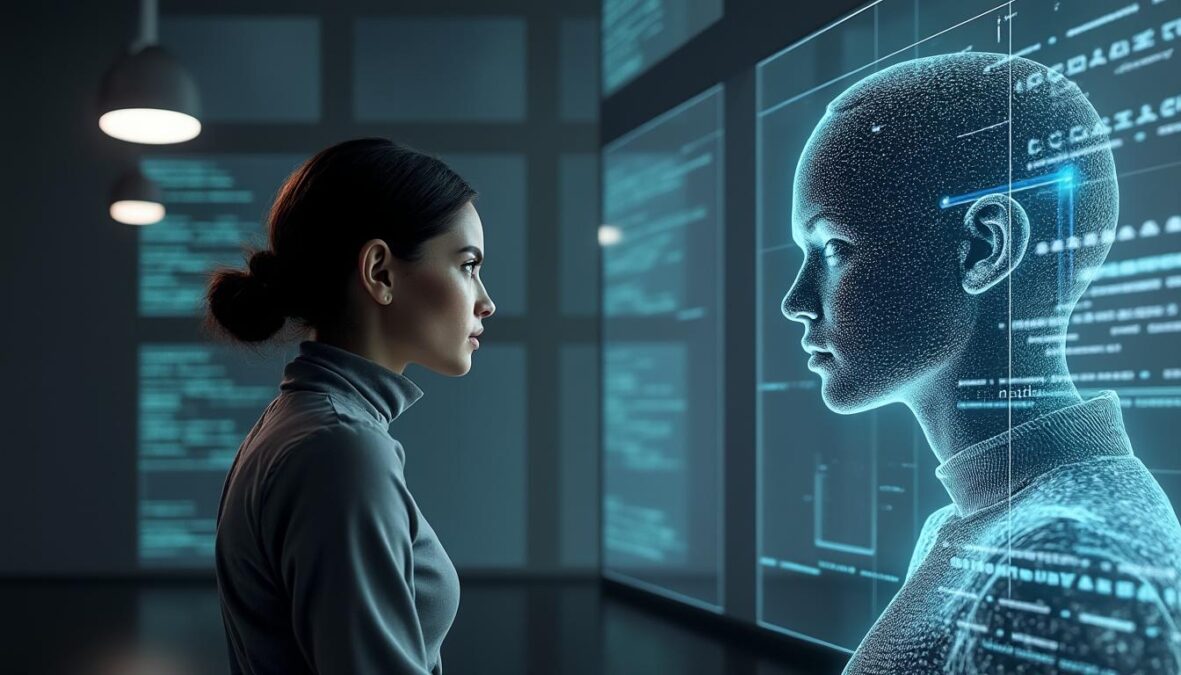
The emergence of artificial intelligence has caused significant upheavals in many sectors, and the porn industry is no exception. The growing use of deepfakes and avatars raises the crucial question: do these technologies jeopardize the future of porn actresses? This article explores the implications of generative technologies and the potential consequences for representation, consent, and the economic status of this industry.
Understanding deepfakes and avatars
Deepfakes are manipulated audiovisual content where the image of one person is replaced by that of another, often using artificial intelligence. This technology allows for the creation of pornographic videos with particularly realistic quality, making it difficult to distinguish between the real and the fake. On the other hand, avatars created by AI systems are digital representations of individuals, often designed to interact in virtual environments. Together, deepfakes and avatars usher in a new era where the exploitation of realistic images can occur without the consent of the individuals represented.
Ethical concerns and consent
One of the main concerns raised by the emergence of deepfakes is the issue of consent. The ability to produce sexual images and videos using individuals’ faces, often without their permission, poses significant risks to the privacy and decision-making power of porn actresses. Content creators, like Madelaine Rousset, emphasize that the production of such content represents a form of exploitation and violence, rooted in patriarchal dynamics.
Consequences for reputation and career
Actresses, who have already fought for recognition and respect in their field, now face a new threat: the creation of pornographic deepfakes that could tarnish their reputation. Manipulated videos can circulate on the internet without actresses ever having given their consent, thereby destroying their image and affecting their economic potential. This non-consensual exploitation raises questions about how society values women’s bodies and the choices of creators.
Necessary regulation and political initiatives
In the face of this alarming phenomenon, political measures are beginning to emerge. The European Parliament has recently adopted legislation aimed at banning artificial intelligence systems capable of generating pornographic content without consent, including deepfakes. This initiative seeks to protect individuals from the exploitation of their image, but also to preserve the safety and integrity of porn actresses. Despite these advancements, some experts remain skeptical about the effectiveness of these regulations in light of the rapid evolution of technologies.
The challenges of regulation
Regulating generative technologies is a complex task, particularly due to the global nature of the internet. While some countries implement strict laws, others may not follow suit, allowing illegal content to continue flourishing online. Nudification applications and other similar tools, which exploit intimate images while circumventing the consent process, illustrate the urgency of developing regulations that are both adaptive and universal.
Future prospects for the porn industry
As the landscape of the porn industry continues to evolve with AI, actresses must also adapt to this changing environment. The possibility of mediating between the use of generative technologies and the protection of their image is a delicate dilemma. Furthermore, the rise of these technologies could lead to a new economic model where actresses become mere background figures on AI-dominated platforms.
These questions regarding the future of porn actresses align with broader reflections on copyright, individual respect, and consent in the digital age. The necessity for collective reflection and informed debate on the use of generative technologies is undeniable, even in such a specific context as this.
For more information on the impact of artificial intelligence in our society, consult enlightening articles on platforms like SAFIG.


