
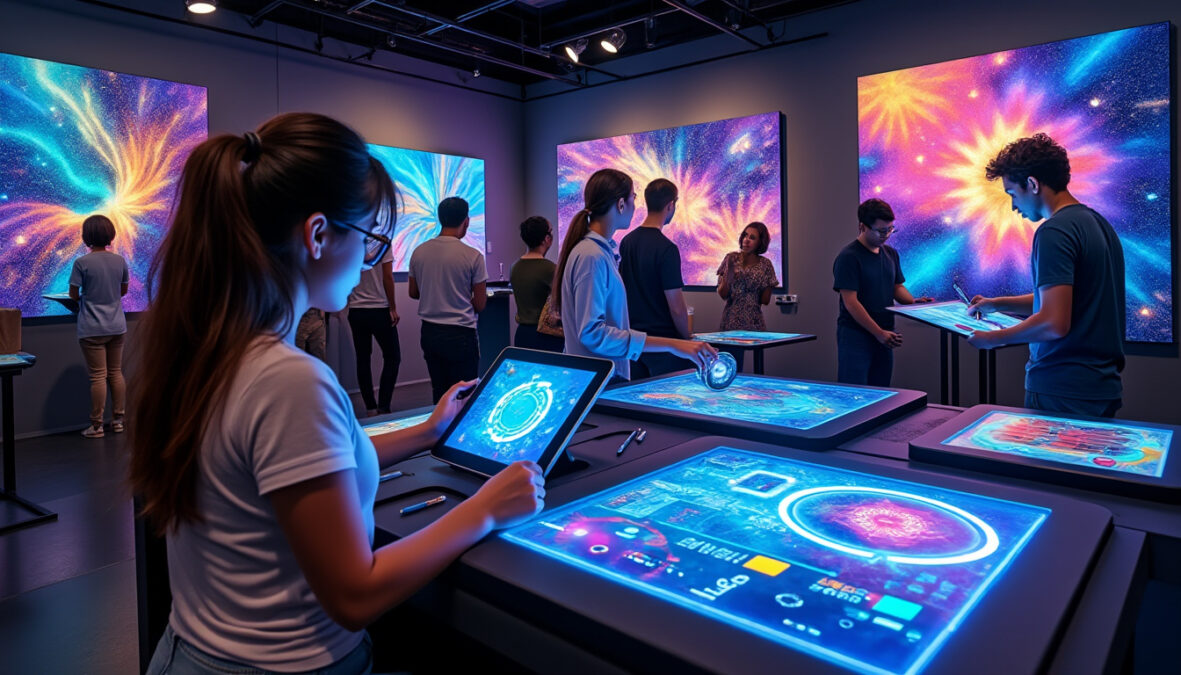
Crypto-art represents a true revolution in the art world, finally allowing artists and collectors to benefit from digital advancements. Through the use of blockchain and non-fungible tokens (NFTs), this new ecosystem redefines how creations are valued, exchanged, and preserved. This article explores how crypto-art is transforming profit relationships in the art field, while highlighting the opportunities and challenges related to this technological innovation.
The Basics of Crypto-Art
Crypto-art refers to a set of artistic practices that exploit Web3 technologies, notably blockchain. This technology not only allows for the creation of digital works but also authenticates and distributes them transparently. Contrary to common perception, NFTs are not the works themselves but rather certificates of ownership and authenticity that accompany these creations. This essential distinction steers innovation towards a technological infrastructure, transforming the nature of art as it flourishes.
A Revolutionized Economy
The rise of crypto-art starting in 2021 was marked by intense speculation that raised questions about its long-term viability. While some see this as a speculative bubble, it is important not to lose sight of the fact that this dynamic highlights a reconfiguration of economic models in the art world. Artists now have the opportunity to channel their creativity while profiting from their work through automatic royalties on future sales, a development rarely afforded in the traditional art gallery world.
Diverse Artistic Practices
The field of crypto-art encompasses various art forms that go beyond the simple sale of digital images. For example, on-chain generative art allows each buyer to generate a unique work through an algorithm stored on the blockchain. Similarly, large installations incorporating artificial intelligence, such as those by Refik Anadol, captivate contemporary art lovers with a harmonious blend of technology and aesthetics. Thus, crypto-art brings forth artistic categories through their originality, while infiltrating traditional cultural institutions.
Challenges of Traceability
One of the main advantages offered by blockchain is the traceability of works. In the realm of crypto-art, certain digital works have complete feedback, which includes not only their creation but also their exhibition rights. This system allows collectors to ensure the provenance of a work and its real value in the market, engendering new trust in this field. Thus, digital art is taking a growing place in the investment portfolio of wealthy collectors, now ranked third in their spending, behind painting and sculpture.
A Dynamic of Equity for Artists
The notion of pseudonymity in crypto-art helps to mitigate the impact of traditional biases based on identity, whether related to race, gender, or geography. In a market where an artist’s notoriety plays a crucial role, this anonymization offers the opportunity for a variety of artists to be judged solely on the quality of their work. Moreover, the smart contracts associated with NFTs ensure that artists receive a fraction of each resale through automatic royalties.
Increased Autonomy
The shift to crypto-art offers unprecedented autonomy to artists, who must now manage their own marketing and mastery of blockchains. Dominant platforms like OpenSea and SuperRare, while offering an exhibition reflex, continue to concentrate visibility and traffic, which can hinder the emergence of new talents. This dynamic imposes on creators the role of entrepreneurs, often without adequate training, and highlights the need for support in this new ecosystem.
A Future to Build
Crypto-art has not yet fully realized its promises. Although it has initiated a significant reconfiguration of values in the art world, several challenges remain. Regulatory issues, particularly with directives like MiCA on crypto-assets, require clearer frameworks to protect market participants. In summary, crypto-art may not be an aesthetic revolution in itself, but it certainly symbolizes a turning point in the mechanisms of creation, valuation, and sharing of value within the artistic sector.


