In a context where the aging population requires increased attention, the idea of seeing monitoring robots assist home caregivers is generating growing interest. These technologies could transform the landscape of the sector by providing invaluable support to care professionals. This article will explore the prospects, benefits, and challenges associated with integrating these robots into the daily lives of home caregivers.
A new role for monitoring robots
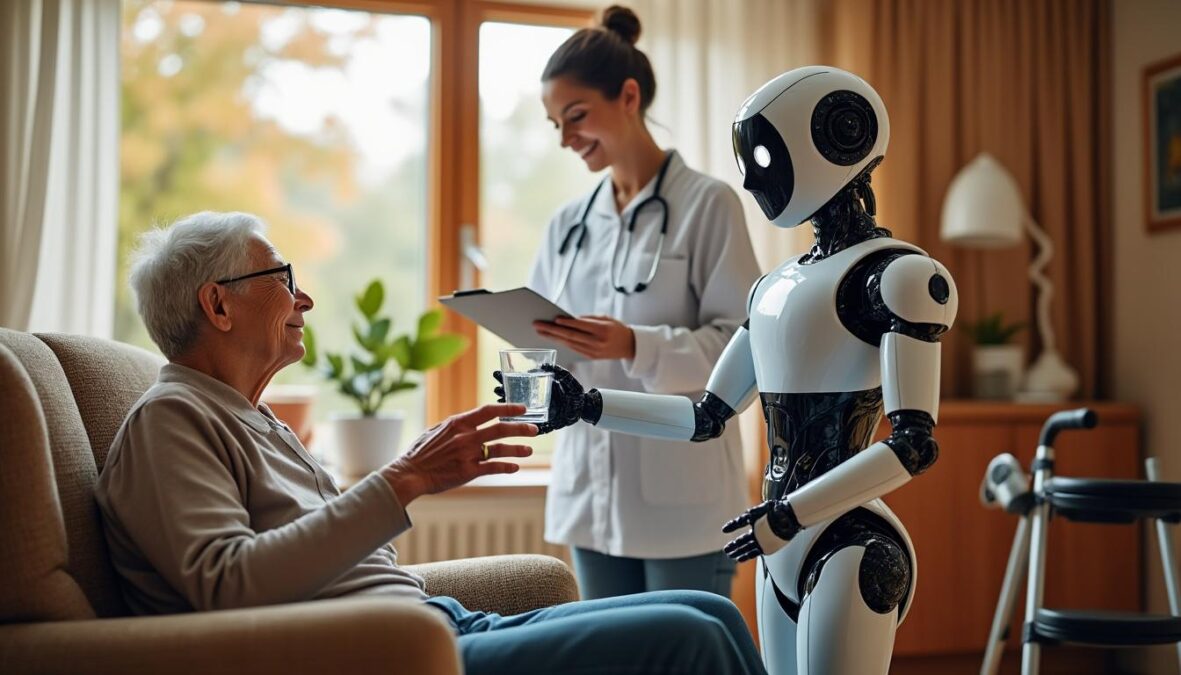
Monitoring robots, designed to supervise and assist elderly individuals, could become valuable allies for home caregivers. By using advanced sensors and artificial intelligence, these devices are capable of detecting unusual patient behaviors, monitoring their health, and reminding them to take medications. This would allow caregivers to focus more on human interaction while being reassured that the robots are monitoring the beneficiaries’ basic needs.
The benefits of such collaboration
The collaboration between home caregivers and monitoring robots could bring about numerous benefits. For example, these robots can provide continuous monitoring, thus reducing the anxiety of families who worry about the safety of their loved ones. Additionally, they can help detect falls or emergencies, ensuring a quick response. This would not only improve the quality of service but also optimize the time management of home caregivers.
Improving the quality of care
By integrating robots into the care process, it is possible to enhance the quality of care provided. Home caregivers could benefit from assistance in collecting data regarding the health status of patients. This information could then be used to adjust individual and personalized care, thus promoting more precise and tailored follow-ups.
Reducing the workload
Another considerable advantage of integrating monitoring robots is the potential reduction of the workload for home caregivers. These technologies could take on some repetitive and time-consuming tasks, such as monitoring medication schedules or managing security alerts. Because of this, caregivers could devote more time to meaningful interactions with the beneficiaries, which is an essential part of their role.
The challenges to be met
Despite the many advantages, the integration of monitoring robots would not be without challenges. First of all, it is essential to ensure that these technologies are accepted by the users, whether they are home caregivers or the beneficiaries themselves. The training and adaptation of professionals to these new technologies may require appropriate and effective instruction.
Ethical and social questions
Furthermore, ethical and social questions arise regarding the use of robots in such sensitive contexts as care for the elderly. It will be essential to find a balance between technological assistance and human contact, so as not to dehumanize the care process. Professionals will need to ensure that the human element remains at the heart of the care relationship.
Costs and accessibility
Finally, the costs associated with the acquisition and maintenance of these robots represent another major challenge. The integration of these technologies must also be accompanied by a reflection on their accessibility for home care structures, particularly the smaller or less well-funded ones. An effort is needed to ensure that these technological advancements benefit all sector stakeholders.
Future prospects
At the intersection of health and technology, the future of monitoring robots appears promising. As technological innovations continue to evolve, it is likely that their role within home care structures will strengthen. For more information on the future impact of artificial intelligence in various sectors, you can consult this article here.
This transition towards an integration of care between humans and machines will require deep reflection on the mechanisms of integration and the ergonomics of these tools. Meanwhile, discussions on the subject should continue to flourish to assess these changes through a human lens.