
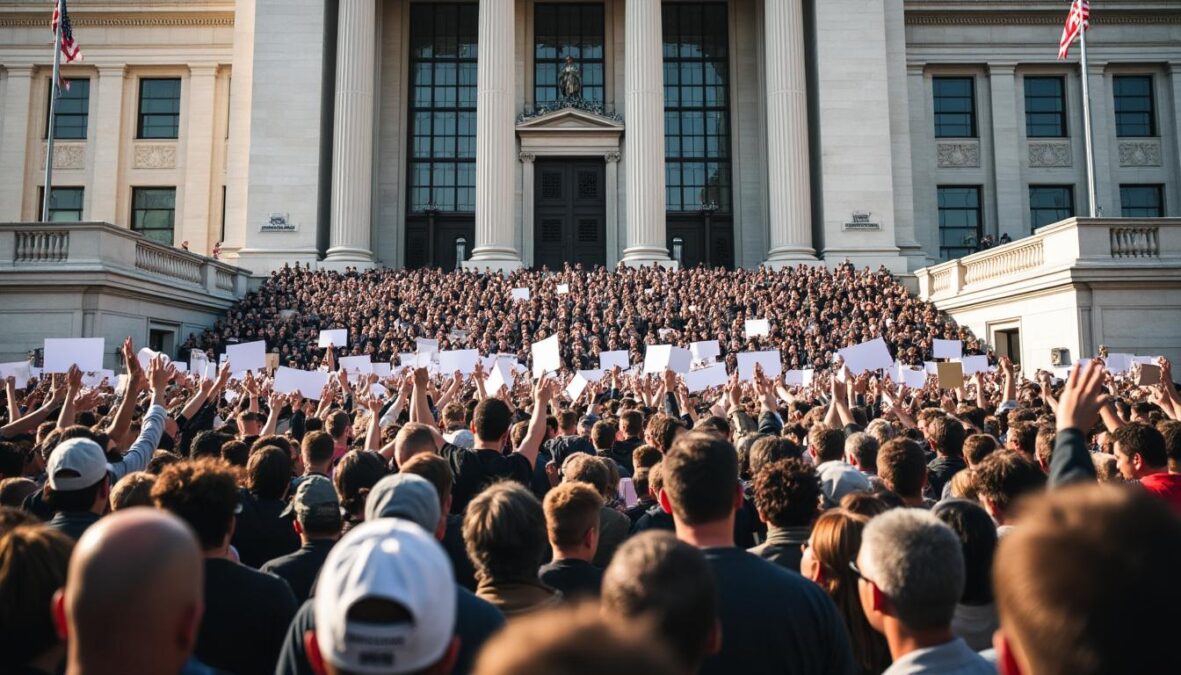
In the face of the rapid rise of artificial intelligence (AI), 20,000 signatures have been gathered in support of a proposed law aimed at establishing a presumption of use of content by AI systems. In an unprecedented initiative, journalists, artists, photographers, and filmmakers unite to call for an urgent review of this law by the National Assembly, following a unanimous adoption in the Senate. This mobilization reflects a growing concern regarding the protection of copyright and intellectual property rights in the digital age.
The Stakes of the Proposed Law
The proposed text aims to establish a presumption of use of journalistic and cultural content by AI providers. In other words, instead of requiring explicit proof that their works have not been used, AI providers would need to justify that these works are not integrated into their learning algorithms. The goal is to protect the work of creators against an often invisible and unreciprocated exploitation of their works.
An Unprecedented Collective Initiative
This movement materialized through the publication of a collective statement, drafted by the Alliance of General Information Press, which unites various actors from the creative field. This statement calls for the necessity of a swift examination of the law, highlighting the urgency of the situation. The unanimous vote in the Senate demonstrates a political consensus around the protection of creators’ rights, irrespective of partisan divides.
The Impact of Artificial Intelligences on Creation
Artificial intelligences, which rely on billions of data points to learn and improve, represent a major challenge for human creation. The data, often harvested without consent, fuels these systems, thereby raising crucial ethical questions. Creators find themselves in a situation where access to their works becomes unclear, hindering their ability to prove that use has occurred. This ambiguity opens the door to abuses and highlights the lack of transparency among technology giants.
An Urgent Call to the National Assembly
While the Senate has supported this initiative, everything now hinges on the National Assembly. Members of this assembly must recognize the impact that their decision will have on the future of copyright in France. The mobilization of the 20,000 signatories underscores the significance of the situation, not only for creators but also for the entirety of the cultural and artistic landscape.
The Perspectives of the Law
The proposed law is not merely intended as a legislative response, but as a genuine springboard towards enhanced protection of literary and artistic property rights. It aspires to establish clear rules in an area where the lack of regulation leads to inequalities between creators and digital giants. Its adoption would allow France to position itself as a pioneer in AI regulation, ensuring legal security for creators and producers.
Necessary Vigilance Against Lobbies
The lobbies of AI platforms, which are highly influential, will not hesitate to oppose this proposed law. Their discourse based on innovation and creativity could mask financial interests, often to the detriment of creators’ rights. The National Assembly must therefore remain vigilant against these attempts to dilute the law. The protection of intellectual property is not an adversary of innovation, but rather its guarantor.
Mobilized Citizens and Creators
The mobilization of citizens and creators is not only a matter of rights, but also of the future. Each signature represents a voice calling for the recognition of the value of artistic and journalistic work. The swift passage of this proposed law can be the starting point of a new era for copyright in the age of AI, ensuring equity in creation and preserving the integrity of the creative process.


